- Home
- About Us
A supply channel built around the requirement
Seat Belt OEM Supplier exists to make one part of automotive sourcing less ambiguous: getting the right seat belt component matched to the right vehicle, in the right quantity, without a long chain of clarifying messages.

What this business actually is
A sourcing point for automotive seat belt systems, seat belt assemblies and the components that make them up — organised for buyers who are working to an application rather than browsing a catalogue.
Stated plainly, so there is nothing to unpick later
Automotive sourcing has enough uncertainty in it already. Here is what this website does and does not represent.
The scope is deliberately narrow. Enquiries are answered by someone thinking about seat belts, not about a general automotive parts list.
The site is set up for business requirements — assembly programmes, fleet needs, repeat schedules — rather than single retail purchases.
Dimensions, materials, fittings and compatibility depend on the application. Publishing fixed figures would invite the wrong part being ordered against the right description.
No certification, test rating, audit result, production facility or regulatory approval is asserted anywhere here. Where documentation is needed, what is available is confirmed during the enquiry.
No component is described as suitable for every vehicle. Fitment is discussed against the specific vehicle, seating position and mounting arrangement in question.
The component is easy. Matching it is the work.
Ask first
A seat belt enquiry that arrives with a vehicle, a seating position and a quantity can be answered properly. One that arrives with a product name alone usually cannot. So the first response is often a question — not a delay tactic, just the shortest route to a useful answer.
Describe honestly
It is easy to write a product page that sounds authoritative. It is more useful to write one that tells a buyer what a part does, what it has to line up with, and what still needs confirming. That is the standard applied across this site.
Stay reachable
Requirements change mid-programme. Quantities move. A repeat order needs to match one placed months earlier. Communication carrying on after despatch is part of the job, not a courtesy.
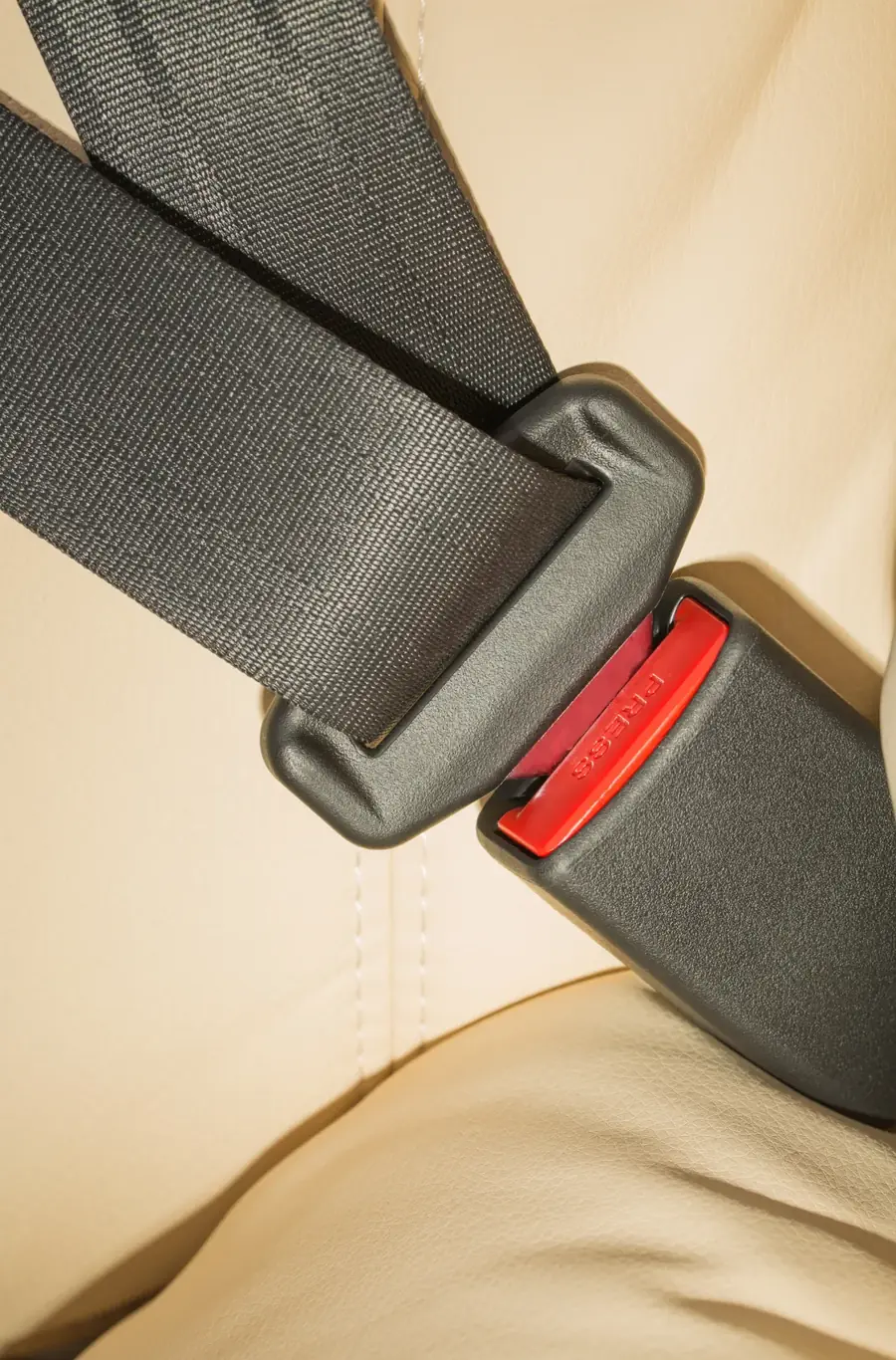
The questions that come first
Answering these in your first message removes most of the back and forth. If you do not have all of them, send what you have — the gaps get identified rather than guessed at.
Make, model and variant where possible. Two vehicles that look similar can carry entirely different belt arrangements, and the vehicle is the single most useful piece of information in any seat belt enquiry.
Front, rear, outboard, centre, or a specific row in a larger cabin. Positions within the same vehicle often need different assemblies, and mixed orders are common.
Whether you need a complete arrangement or a specific element — webbing, a buckle, a tongue plate, a guide. If you are unsure, describing the function you need is enough to start.
The mounting arrangement and routing path are the most vehicle-specific part of the discussion. Photographs, a drawing or a sample of the existing part are worth more here than any written description.
A single batch and a rolling schedule are different conversations. An approximate figure is enough — it changes how the requirement is planned, not whether it is answered.
Why the care around wording
Seat belts are occupant restraint components. The consequences of a mismatched part are not commercial ones.
That shapes how this website is written. Where something is genuinely application-dependent, it says so. Where a claim would need certification or test data behind it, no claim is made. Where a component might or might not suit a vehicle, the honest answer is that it has to be confirmed.
This is not caution for its own sake. A buyer who is told plainly what still needs checking can plan around it. A buyer who is given false certainty finds out later, at a much worse moment.
The same principle runs through the supply approach and the knowledge centre — useful detail, clearly bounded.
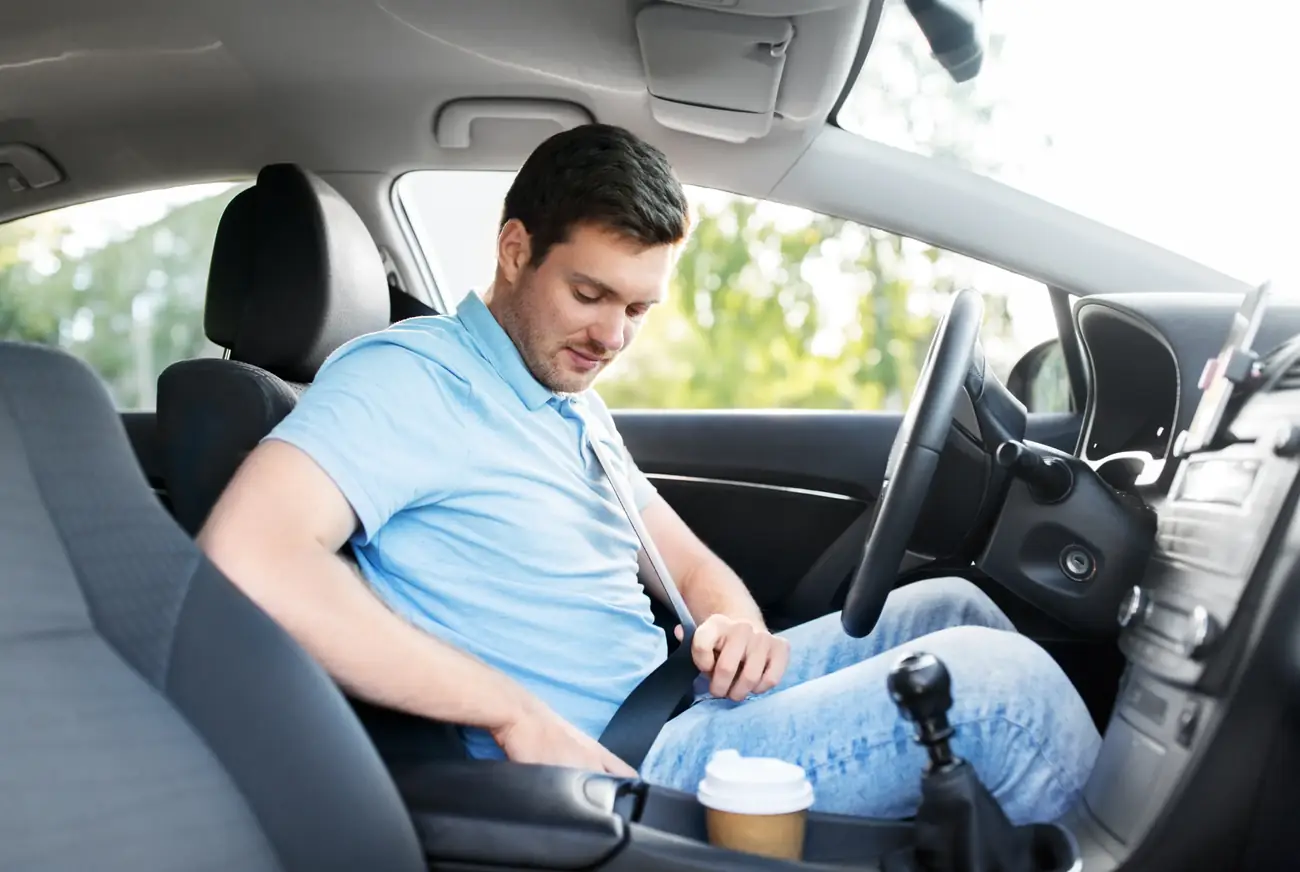
Component detail
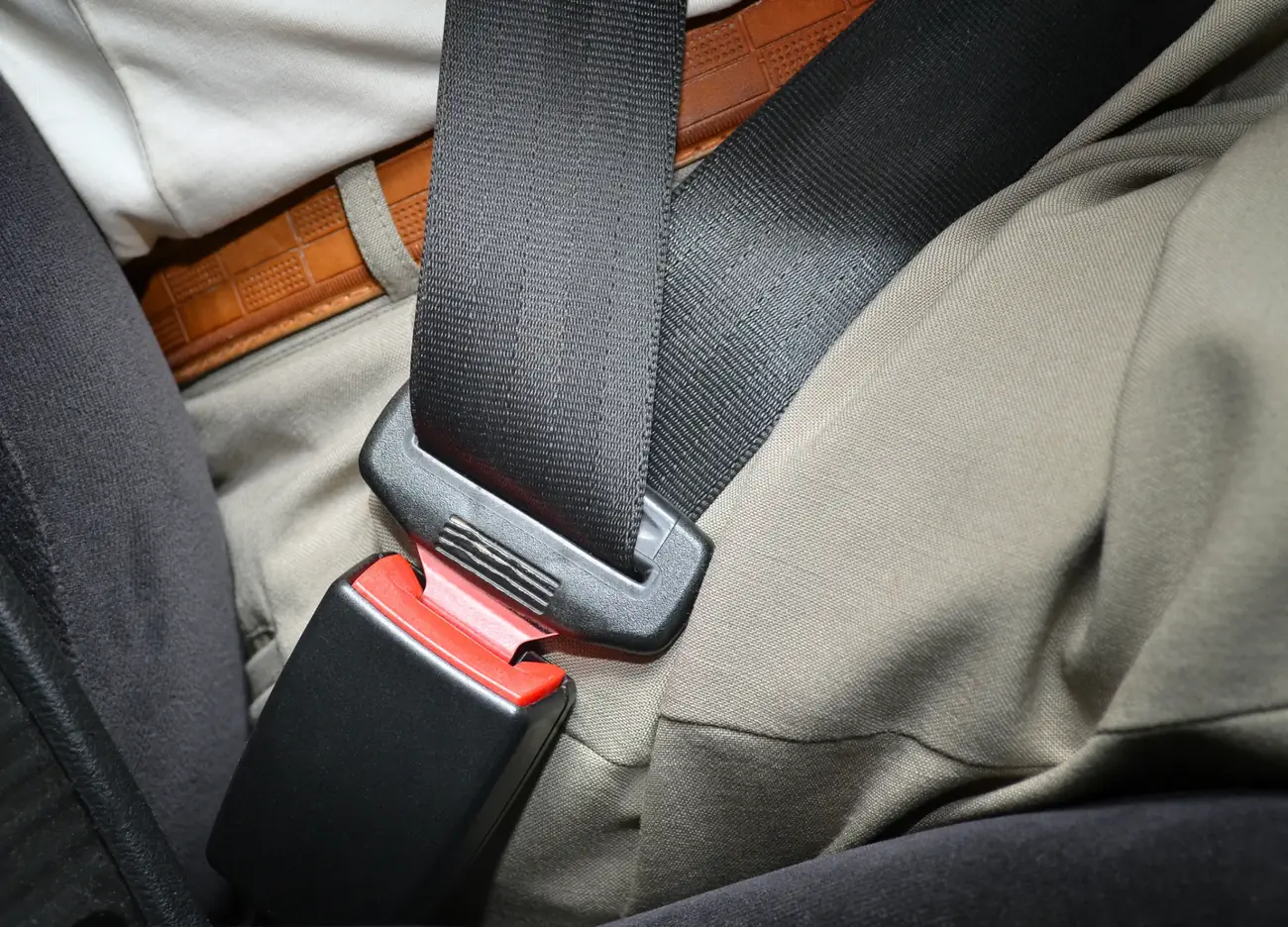
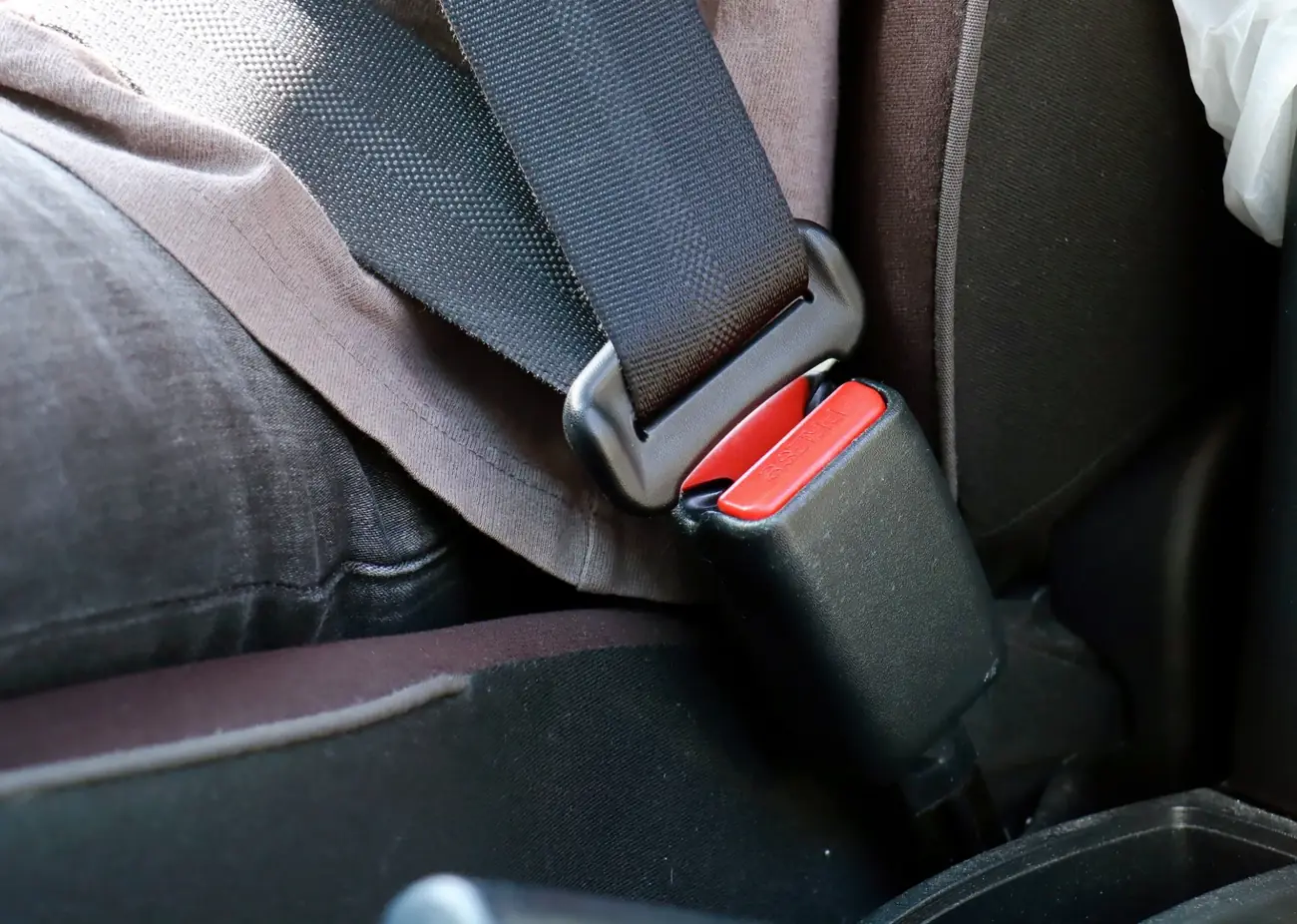
Send the vehicle and the position. That is enough to begin.
Whether it is a single assembly for a development build or a recurring fleet requirement, the first reply will tell you what is known and what still needs confirming.