Seat Belt OEM Supplier Automotive Safety Components
  1. Home
  2. Automotive Applications
Applications

The same component, five different conversations

Seat belt requirements shift with the vehicle category, the seating configuration and the way the vehicle is used. Requirements may vary according to vehicle design and application, so nothing here should be read as a compatibility statement.

01Application First

Why the vehicle is asked about before the part

A seat belt is fitted into a structure that already exists. The vehicle sets the constraints; the component has to arrive into them.

That is not a formality. Mounting points, pillar geometry, seat design, routing clearance and travel distance are all determined by the vehicle, and each one can rule out a component that would otherwise be a perfectly reasonable choice.

It also cuts both ways. Knowing the vehicle often makes a requirement simpler than the buyer expected, because it removes options that were never realistic and narrows the discussion to what will actually work.

  • Vehicle categorySets the general arrangement, cabin layout and typical seating configuration.
  • Seating configurationDetermines how many distinct assemblies a single requirement really contains.
  • Intended useChanges what matters most — daily handling, shared use, or occasional operation.
  • Vehicle architectureFixes the mounting points and the space the belt has to route through.
  • Project stageA production programme and a prototype build need different kinds of answer.
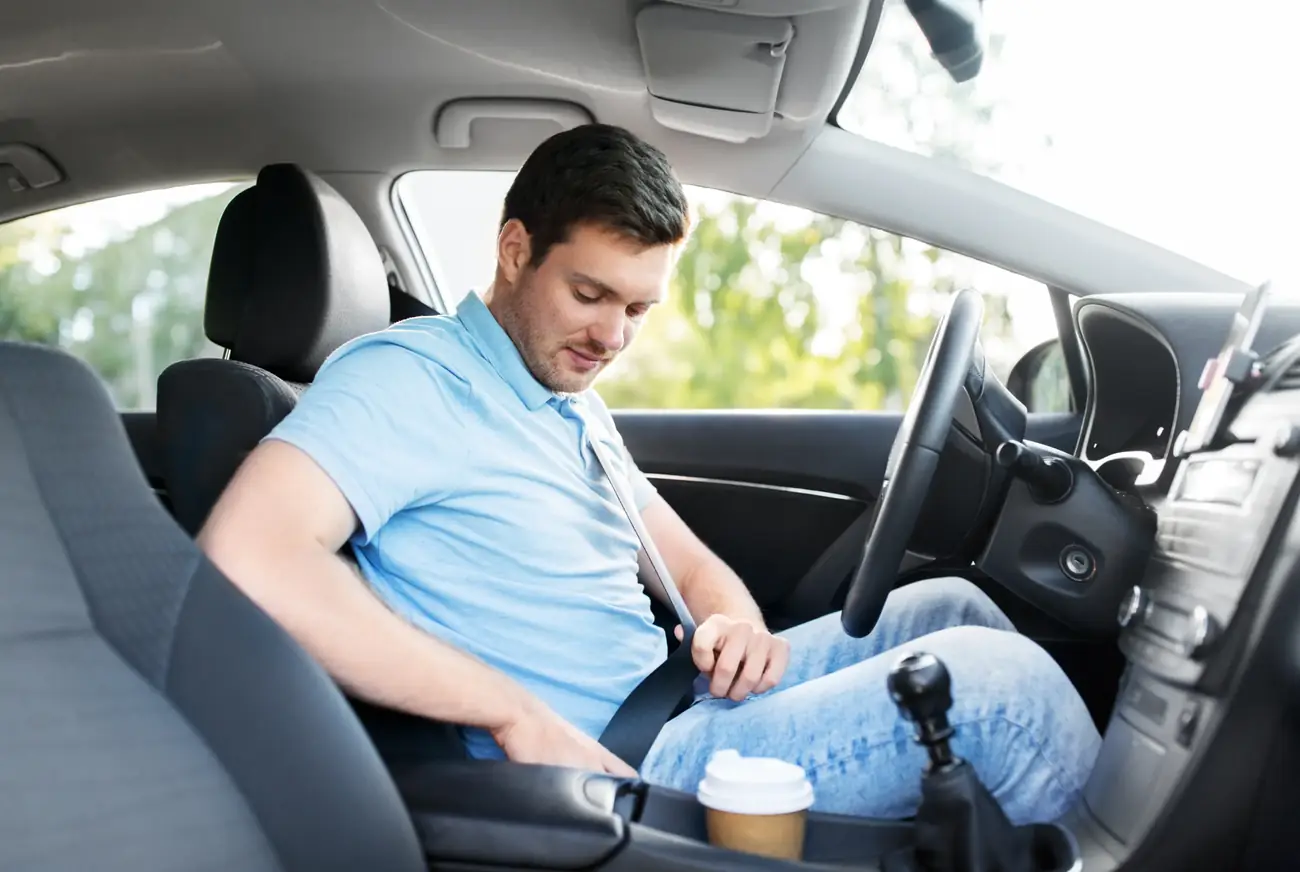
Driver drawing the seat belt across the shoulder in a passenger car before setting off Constraint Source Pillar geometry, seat design and mounting points are fixed before the belt is chosen
02Categories

Five application categories

These describe the kinds of requirement that come up, not a list of vehicles anything is confirmed to suit.

Occupant fastening a three-point seat belt in the front of a passenger car 01

Passenger Vehicles

Cars, hatchbacks, sedans and utility vehicles. The most common category, and the one where a single vehicle most often needs several different assemblies across its seating positions.

Front and rear arrangements typically differ, and outboard and centre positions differ again. Splitting the requirement by position early keeps quantities clean.

Usually asked about
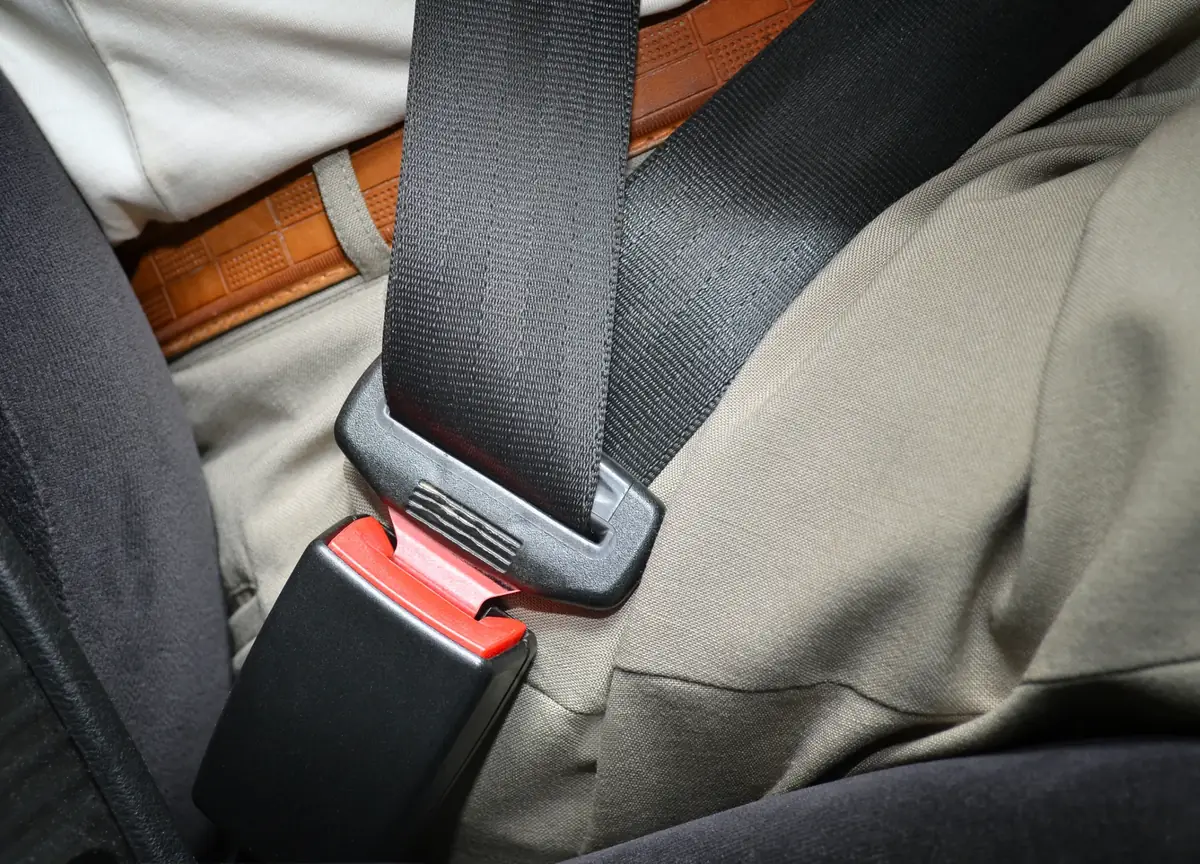
Front and rear assemblies, buckles, guides
Complication
Several distinct requirements inside one vehicle
Send us
Model, variant, and which positions are involved

  • Front Positions
  • Rear Positions
  • Mixed Orders
Driver and passenger belted in the cabin of a commercial vehicle during a working journey 02

Commercial Vehicles

Goods vehicles, passenger transport and other working vehicles where cabins are occupied for long periods and often by more than one operator across a shift.

Cabin layouts vary considerably between builds, and bench or multi-position seating changes the arrangement again. The build specification matters as much as the base model.

Usually asked about
Cabin position assemblies, buckles, webbing
Complication
Body builds differ on the same base vehicle
Send us
Base vehicle plus cabin or body configuration
  • Cabin Positions
  • Heavy Use
  • Build Variants
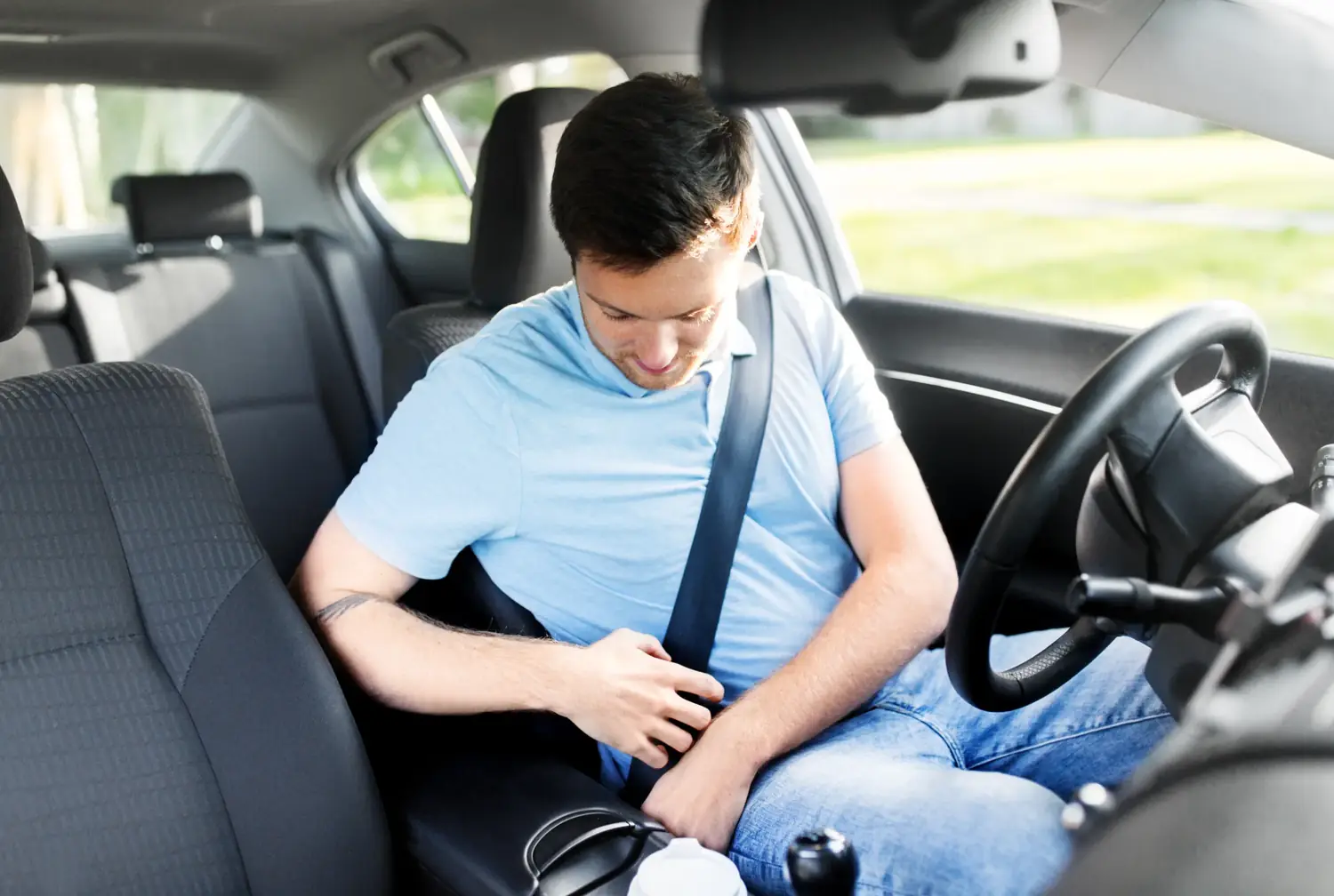
Driver fastening a seat belt at the start of a working day in a fleet vehicle 03

Fleet Applications

Requirements defined by an operator rather than by a single vehicle. Fleets tend to plan replacement rather than react to it, and to buy against a schedule rather than an incident.

The technical question is often straightforward; the useful part of the conversation is consistency — making sure the batch supplied in six months matches the one supplied today.

Usually asked about
Repeat quantities across a standard vehicle set
Complication
Mixed vehicle ages and variants within one fleet
Send us
Vehicle list, positions, and expected schedule
  • Repeat Supply
  • Consistency
  • Planned Replacement
Seat belt fastened over an occupant seated in the rear of a vehicle 04

Specialised & Modified Vehicles

Converted vehicles, low-volume builds, re-seated interiors and development programmes, where the arrangement may not correspond to anything in the base vehicle.

These are the enquiries where photographs, drawings and samples earn their keep. A described arrangement can be ambiguous; a photographed one usually is not.

Usually asked about
Non-standard mounting, custom routing, low volumes
Complication
No base-vehicle reference to work from
Send us
Photographs from several angles, plus available space
  • Low Volume
  • Prototype Support
  • Custom Routing
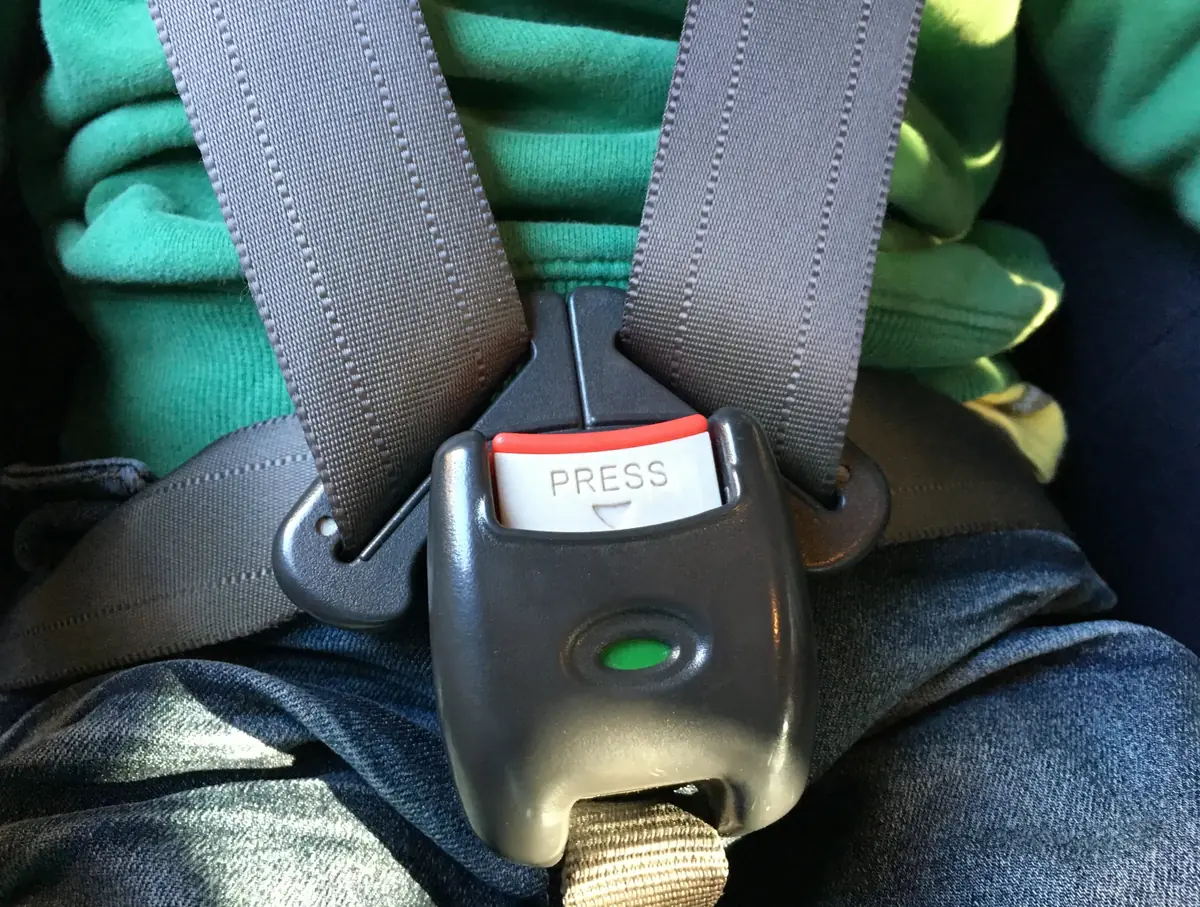
Child harness buckle fastened across an occupant in a rear vehicle seat 05

Rear Seating & Child Restraint Interaction

Rear seating requirements where a child restraint is used alongside or in conjunction with the vehicle belt. This is a specialised and closely regulated area.

Child restraint systems themselves are not described or assessed on this website. Where a requirement touches on them, it is discussed specifically rather than answered from a general description, and any suitability question is referred to the relevant vehicle and restraint documentation.

Usually asked about
Rear position belts used alongside child restraints
Complication
Regulated area; no general suitability can be stated
Send us
The specific situation, in full, for a case-by-case discussion
  • Rear Positions
  • Case By Case
  • Specialist Area
03Conditions

What changes the answer

Six conditions that regularly turn a straightforward-looking enquiry into a more detailed one. None of them are problems — they simply need naming early.

Variant
Arrangement may differ within one model

Name the variant, model year or market alongside the model. It costs a line of text and removes a whole class of ambiguity.

Position Mix
One order can contain several requirements

List the positions and quantities separately rather than as a single total, so each one can be matched properly.

Existing Parts
New items must mate with what is already fitted

Say which components are staying in place. An engagement pair split across two sources is the most common cause of an incompatibility.

Modification
Base-vehicle references may not apply

Describe what has been changed from standard, and send photographs of the arrangement as it currently sits.

Clearance
Space around the component limits what fits

Note any tight areas — trim, seat structure, adjacent hardware. Clearance issues surface at installation if they are not raised at specification.

Timeline
Programme stage changes what is useful

Say whether this is a live production need, a planned replacement or a development enquiry. The right answer differs in each case.

No component is described anywhere on this website as suitable for every vehicle in a category. Suitability is confirmed against the specific vehicle, seating position and mounting arrangement in question, at enquiry stage.

Application enquiry

Name the vehicle and the positions. The rest follows.

If your requirement spans several vehicles or several positions, send it as a list — it will be answered position by position rather than averaged into one reply.