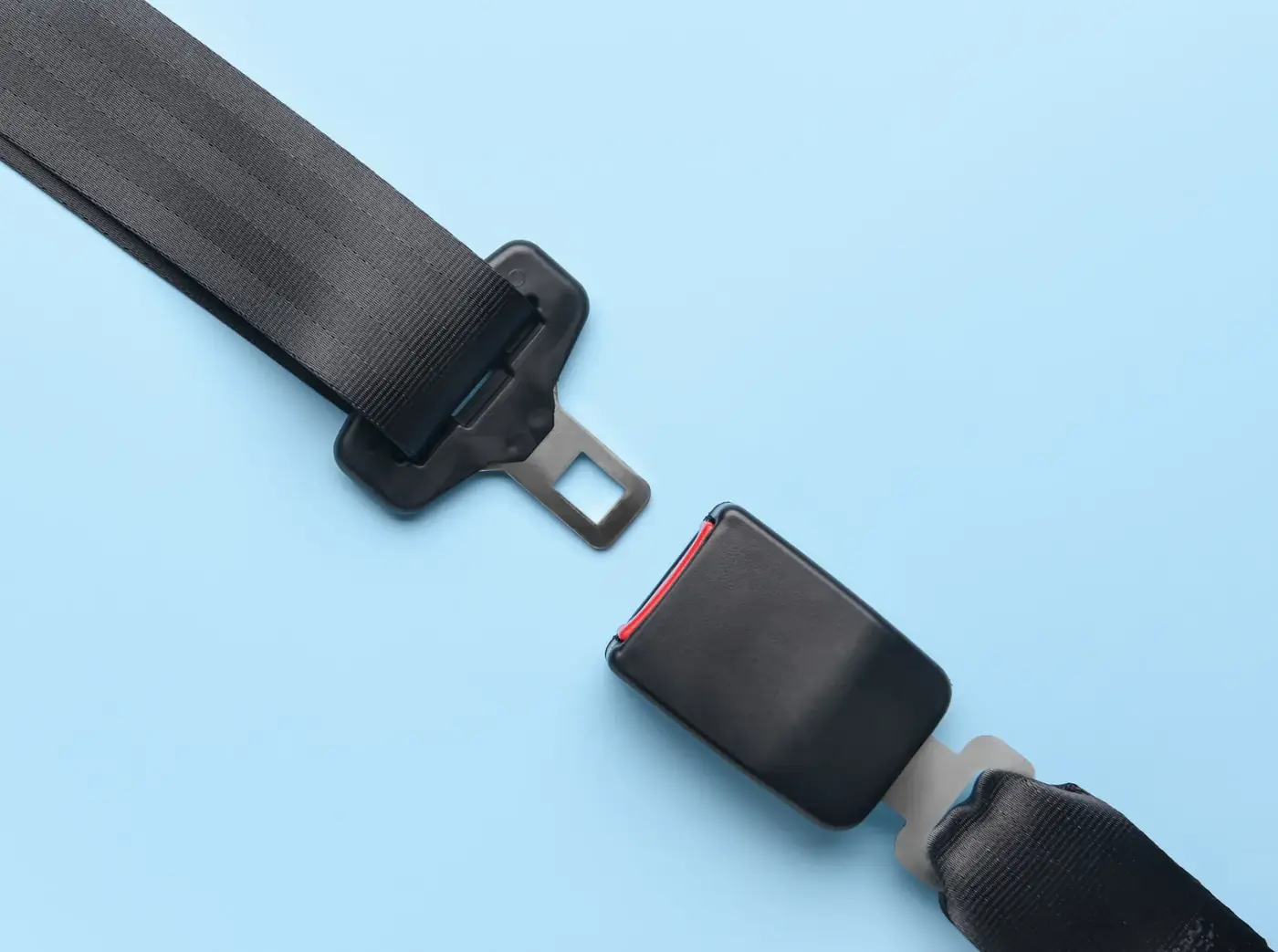
Automotive Seat Belt Systems
Complete seat belt arrangements considered as a working system — webbing, retraction, engagement and anchorage discussed together, so the parts that have to fit each other are specified together.
A requirement-led supply channel for automotive seat belt systems, seat belt assemblies and the components built around them. Share the vehicle application and the part you need — the discussion starts from your specification, not from a fixed catalogue.
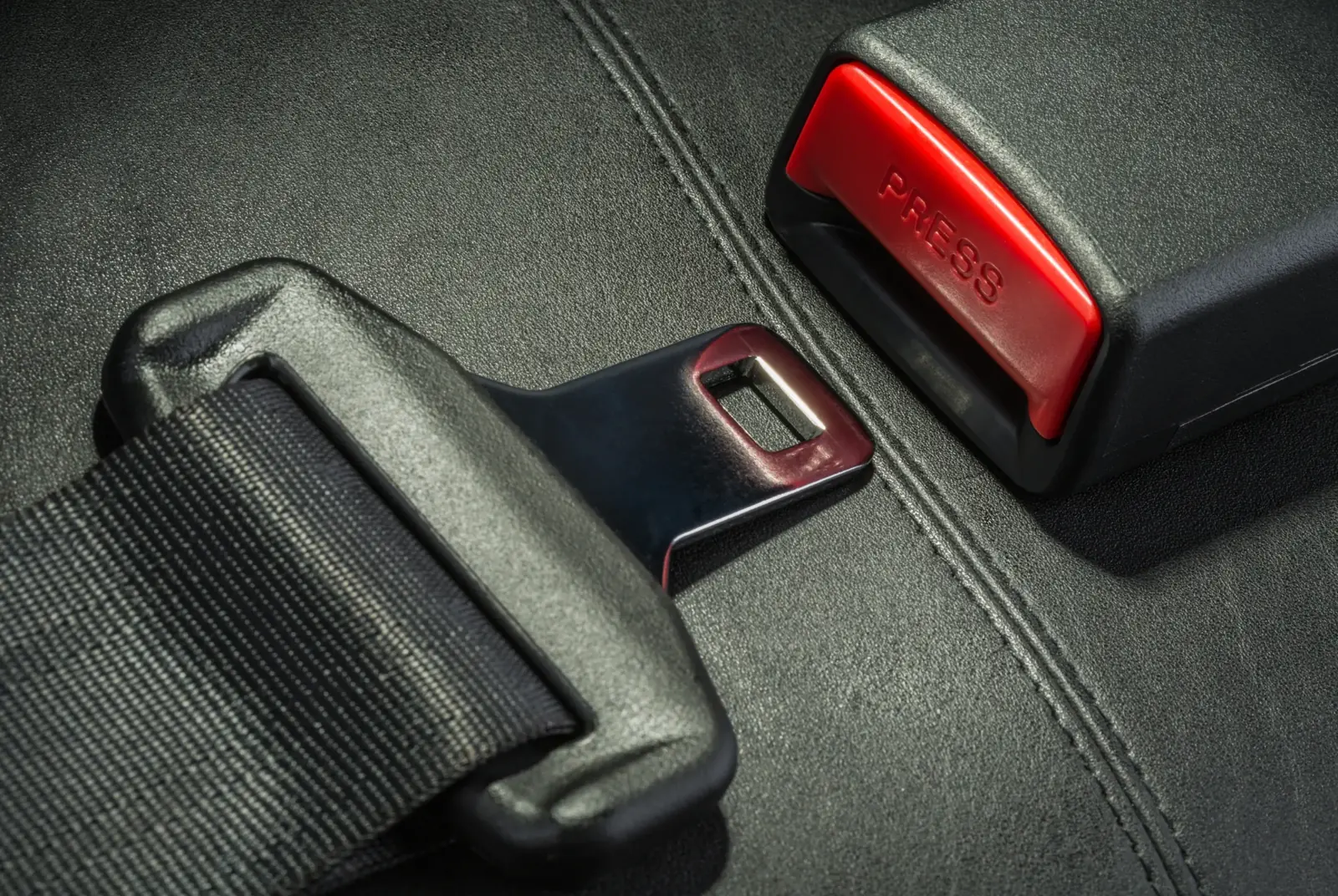
 Ref · Assembly Detail
Tongue plate and buckle housing — the engagement point of a seat belt assembly
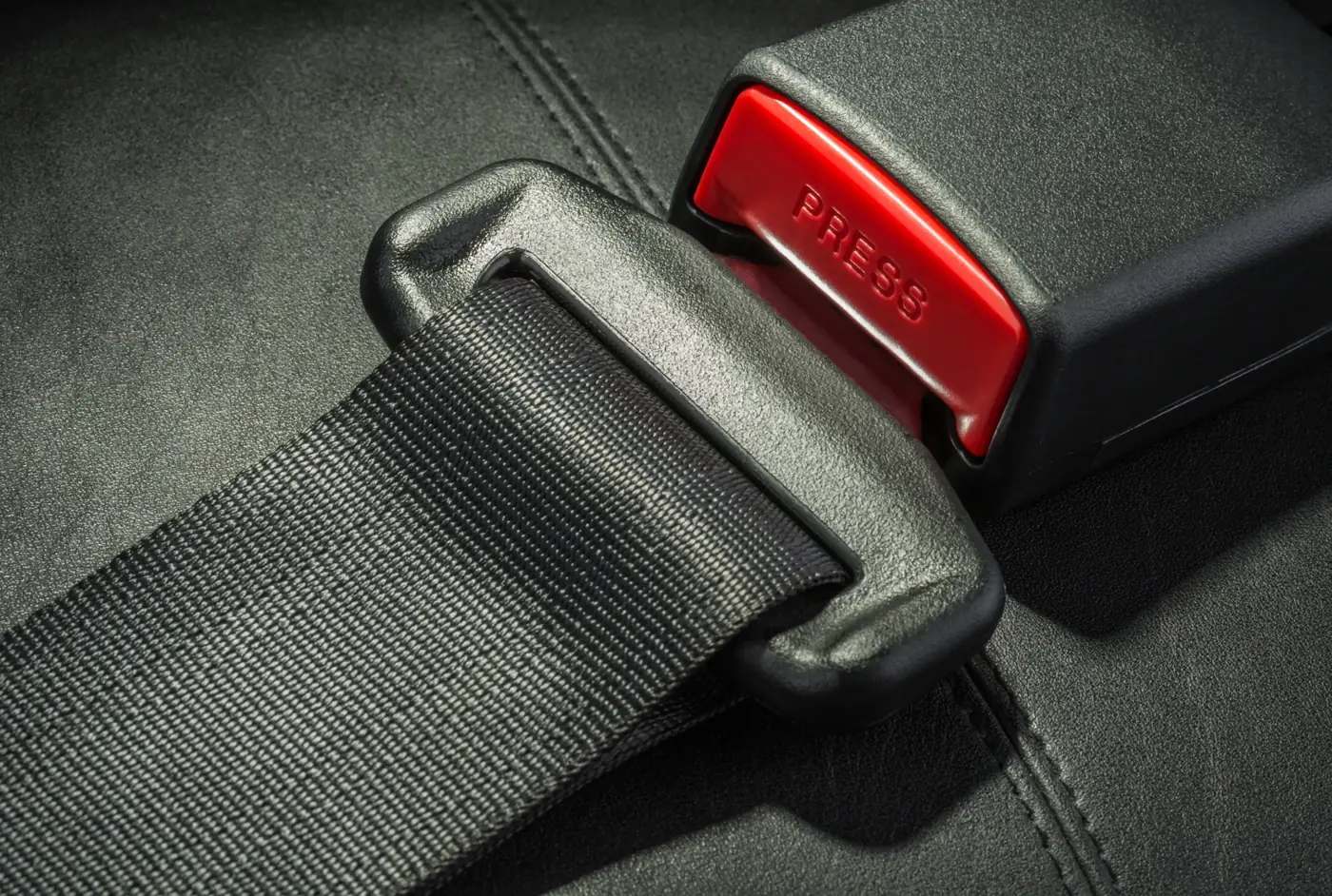
Ref · Assembly Detail
Tongue plate and buckle housing — the engagement point of a seat belt assembly
Webbing, a retractor, a buckle, a tongue plate and the anchorage points all have to behave as one assembly. Change the vehicle, the seating position or the mounting geometry, and the requirement changes with it.
That is why a seat belt enquiry rarely begins with a part number. It begins with a vehicle, a seat position, a mounting arrangement and a quantity. Getting those four things on the table early is what makes the rest of the conversation quick — and what stops the wrong component being supplied against the right description.
This website is built around that way of working. Every product page describes what a component does and what has to be confirmed before it can be matched to an application, rather than presenting fixed specifications that may not apply to your vehicle.
Component descriptions on this website are general. Exact dimensions, materials, finishes, fittings and suitability are confirmed against a stated vehicle application at enquiry stage.
Six areas cover most of what buyers ask for. Each one is a starting point for a conversation, not a fixed specification sheet.
Complete seat belt arrangements considered as a working system — webbing, retraction, engagement and anchorage discussed together, so the parts that have to fit each other are specified together.
Assembled units for a stated seating position and mounting arrangement, discussed against the vehicle they are intended for.
The retraction side of the system, including the parts that manage webbing travel and its housing interface.
Buckle housings, release elements and the tongue plates that engage them — matched as a pair rather than sourced separately.
Belt webbing along with the guides, loops and hardware that route and locate it within the vehicle.
Requirements that do not map neatly onto a standard description — a development programme, an unusual mounting arrangement, a mixed-position order, or a repeat schedule that needs planning. These are handled as a conversation, with the constraints stated openly on both sides.
Select a function to see what it does. Every element below has to work with the ones beside it — which is why components are best discussed in relation to the assembly they belong to.
This diagram is illustrative. The functional elements present in any given assembly, and how they are arranged, depend on the vehicle design and the requirement being discussed. Component detail
These categories describe the kinds of enquiry that come up most often. Requirements may vary according to vehicle design and application, so suitability is always confirmed case by case.

Cars, hatchbacks, sedans and utility vehicles, where front and rear seating positions frequently call for different assemblies within the same vehicle. Seat design, pillar geometry and mounting positions all feed into what will actually fit.

Working vehicles where usage is heavy, cabins are shared and replacement tends to be planned rather than reactive. Fleet enquiries usually turn on consistency and repeat availability as much as on the component itself.
Modified vehicles, low-volume builds and development programmes, where the mounting arrangement may not match anything standard. These enquiries need the geometry described early, and are best supported with drawings, photographs or samples.
Nothing here is a claim about scale or awards. It is a description of how the work is actually done.
A price given before the application is understood is a guess. The vehicle, seating position, mounting arrangement and quantity are established first, so what comes back can actually be relied on.
Components are explained in terms of what they do and what they have to match, so a buyer can tell whether an item is relevant before spending time on a detailed exchange.
Bulk and repeat requirements are treated as planning problems, not one-off transactions. Schedules, batch patterns and consistency across deliveries are discussed at the outset.
Enquiries are answered in the terms the buyer uses — position, interface, fitment, quantity — rather than being pushed toward whatever happens to be easiest to describe.
What was asked for, what was offered and what was agreed stays in writing. That matters most on repeat orders, where a later batch has to match an earlier one.
A consistent sequence, so nothing important is assumed and nothing is confirmed twice.
The enquiry is read against the vehicle and application described, and any missing detail is identified before anything else happens.
Relevant component types are narrowed down and the interfaces that have to match are stated explicitly.
Fitment questions are raised openly. Where suitability cannot be confirmed from the information available, that is said rather than assumed.
Descriptions, quantities and agreed points are put in writing so both sides are working from the same record.
Timing, batching and any repeat schedule are planned together, and communication continues after despatch.
No certification, testing facility, audit outcome or regulatory approval is claimed anywhere on this website. Where documentation is required for a specific requirement, what can and cannot be provided is confirmed during the enquiry. Full supply approach
Short, practical explanations of how seat belt systems are put together and what tends to matter when specifying them.
How the individual elements of a belt combine into one restraint arrangement, and why they are specified together rather than separately.
ReadWebbing, tongue plate, buckle, retractor and anchorage — what each one does and what it has to correspond to.
ReadThe questions worth answering before sending an enquiry, and why they shorten the exchange considerably.
ReadHow the same component description can mean different things across two vehicles, and how to avoid that costing you a cycle.
ReadGeneral, non-prescriptive guidance on what fleet and workshop teams commonly look at during routine checks.
ReadWhat changes when an order becomes a schedule, and the details worth agreeing before the first batch rather than after it.
ReadOEM requirements, bulk quantities, product enquiries and application questions are all welcome. The more you can say about the vehicle and the component, the more useful the first reply will be.