Seat Belt OEM Supplier Automotive Safety Components
  1. Home
  2. Resources
Knowledge Centre

Background reading for seat belt sourcing

Six practical pieces on how automotive seat belt systems are put together, what matters when specifying them, and how bulk and recurring requirements differ from single orders.

00Contents

Article index

Fundamentals · 01

What is an automotive seat belt system?

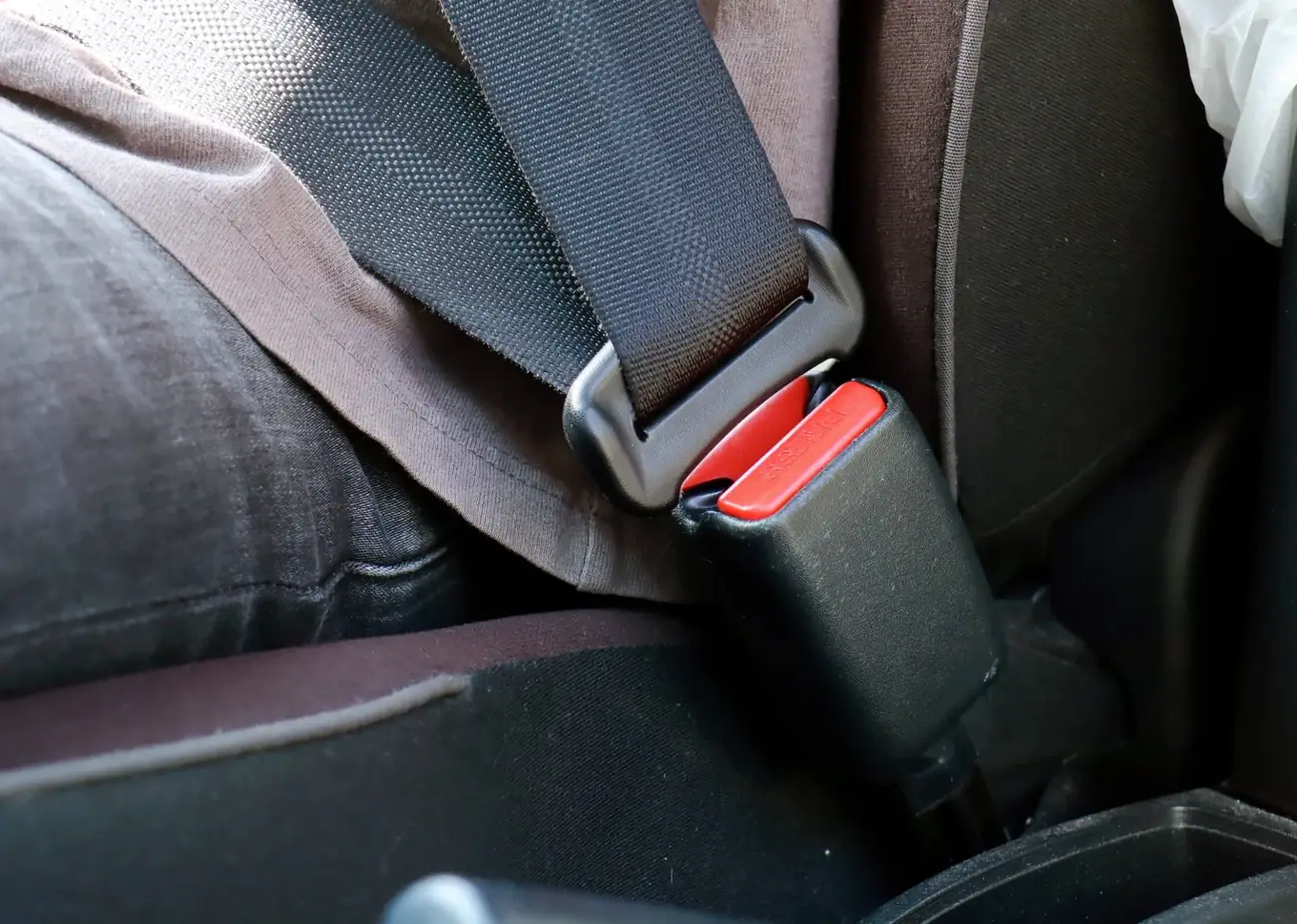
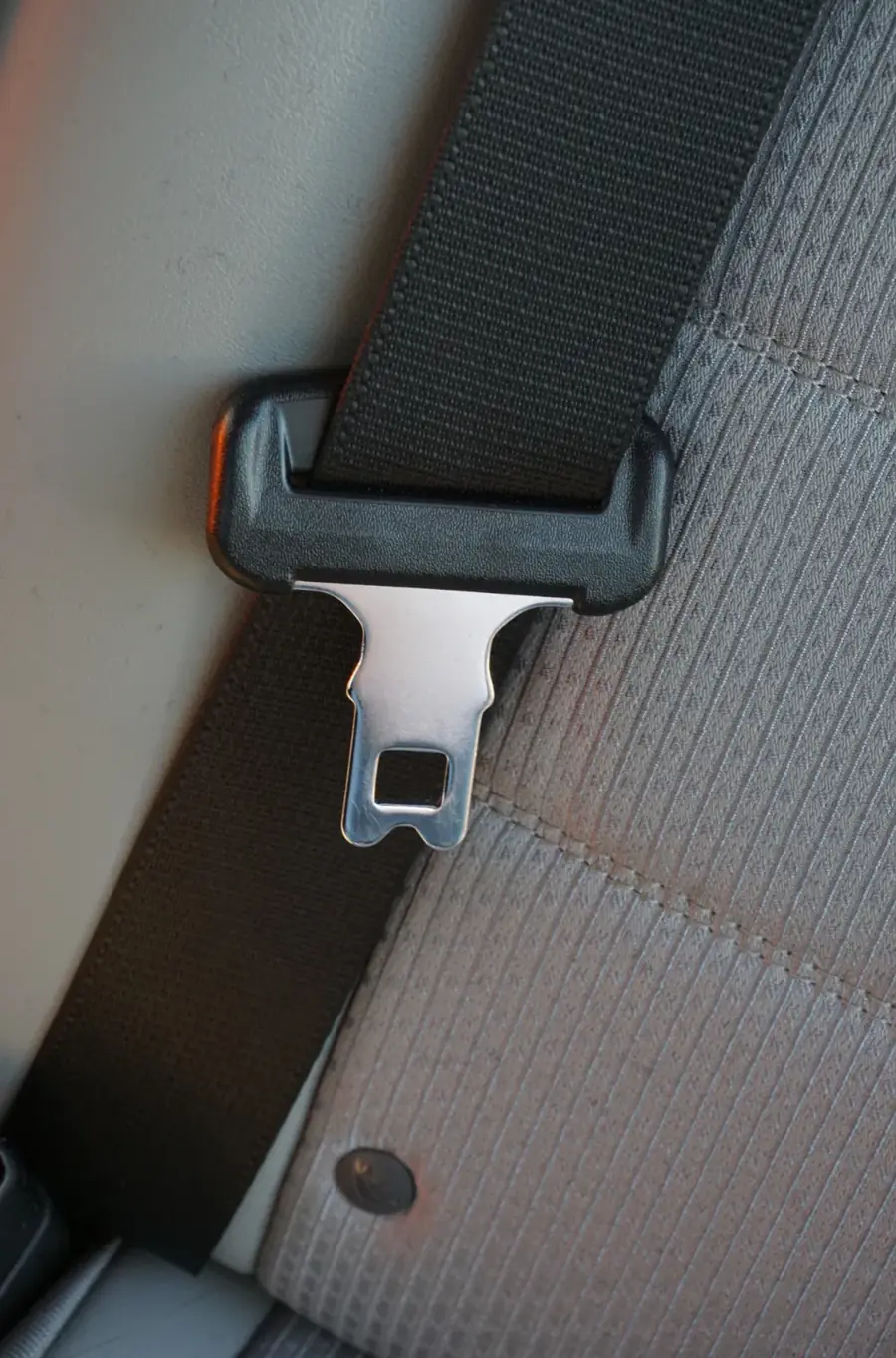
Seat belt running through an upper adjuster loop down to the latch plate and buckle in a vehicle

A seat belt is usually pictured as a strap. In sourcing terms it is more useful to think of it as an assembly of co-operating elements, each doing one job, all of which have to be present and correctly matched for the arrangement to work.

The elements involved

At minimum, an automotive seat belt arrangement has to restrain the occupant, allow deliberate fastening and release, manage how much webbing is available, guide the belt along a defined path, and transfer load into the vehicle structure. Those functions are typically carried by webbing, a tongue plate and buckle pair, a retraction arrangement, guides and adjusters, and anchorage points.

Designs vary widely in how those functions are packaged. Some arrangements combine several into one part; others separate them. What stays constant is that the jobs still have to be done somewhere in the assembly.

Why they are specified together

The elements constrain each other. A tongue plate is only meaningful in relation to the buckle it enters. Webbing length only makes sense in relation to the routing path and the retraction arrangement at its end. A guide only works if the webbing passing through it is the right width.

This is why an enquiry for a single part frequently turns into a short discussion about the assembly around it. It is not an attempt to sell more — it is the only way to confirm that the single part will work.

What this means for an enquiry

  • Describing the function you need is as useful as naming a part
  • Saying what the new item has to work with prevents most compatibility problems
  • Where an existing arrangement is being modified, the parts staying in place matter as much as the ones being replaced

Further detail on each element is set out in the seat belt components reference.
Discuss a requirement

Reference · 02

Understanding the major components of a seat belt

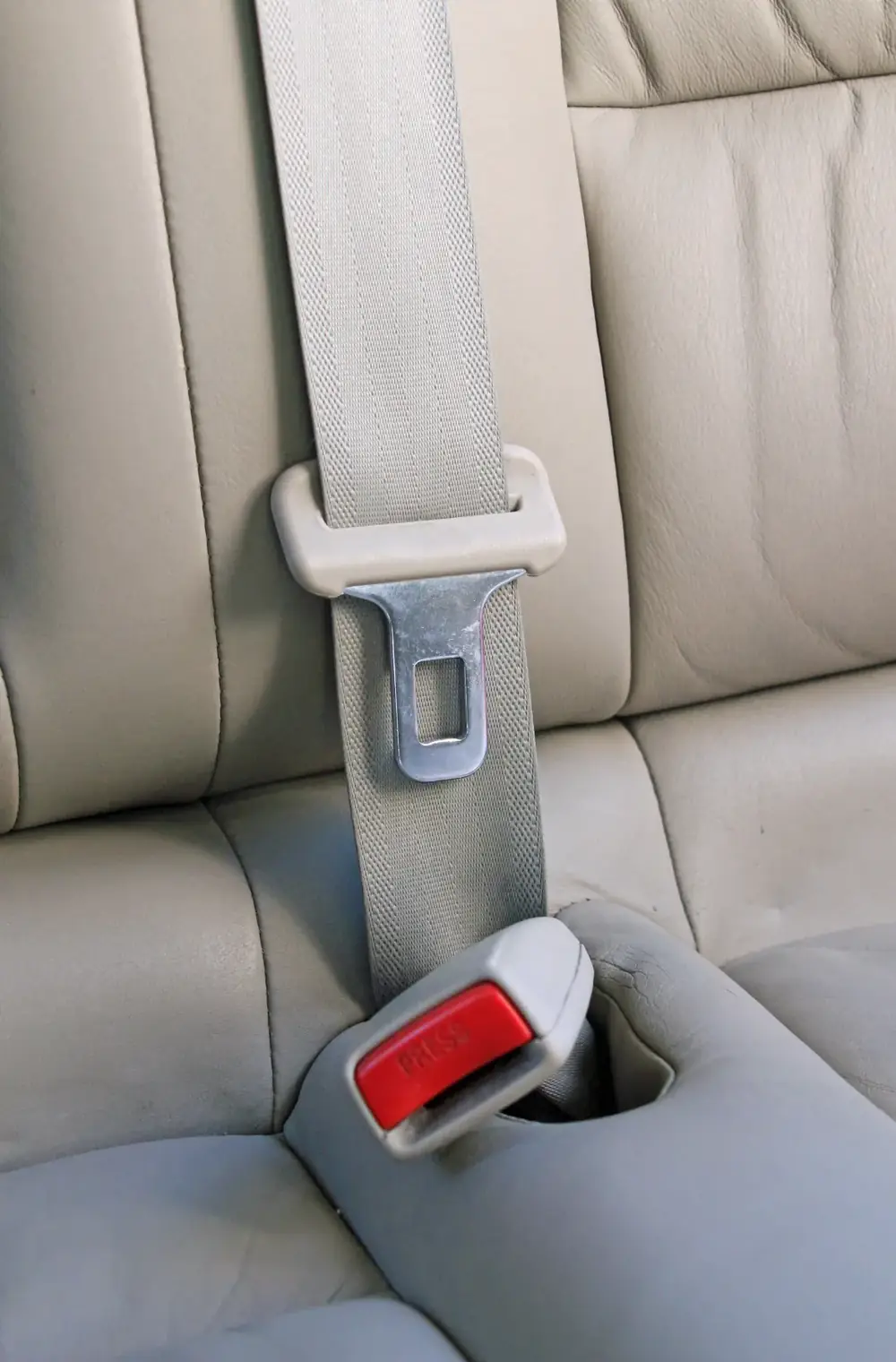
Seat belt webbing passing through a moulded guide with the metal tongue plate suspended below it

Component names are not standardised across the automotive industry. The same part can appear under several descriptions, and two parts described identically can be entirely different items. Working from function rather than name avoids most of that.

Webbing

The woven belt itself. It has to run cleanly through every guide and adjuster on its route, provide enough travel for the seating position, and terminate correctly at each end. Width, length, weave and finish are all requirement-dependent.

Tongue plate

The metal latch plate that travels along the webbing and enters the buckle. Its profile, slot geometry and thickness must correspond to the buckle it engages. A plate that physically enters a buckle is not automatically the right plate for it — this is one of the most frequent sources of a mismatch.

Buckle

The receiving half of the engagement pair, together with its release element and the stalk, webbing tail or direct mounting that fixes it beside the seat. The mounting arrangement is driven by the seat and floor geometry rather than by the buckle itself.

Retraction arrangement

The elements that draw webbing in and pay it out, plus the housing and interface parts around them. Because retraction sits at one end of the routing path, mounting position, webbing exit direction and available clearance matter as much as the unit.

Guides, adjusters and anchorage

The parts that set where the belt runs and where it attaches to the vehicle: pillar loops, upper guides, height adjusters, anchor plates and fixings. This is the most vehicle-specific group, and the one where a photograph is worth considerably more than a written description.

The practical point

  • Parts that constrain each other should be discussed together
  • Interface geometry decides compatibility, not naming
  • Photographs settle questions about mounting and orientation faster than any amount of description

Discuss a requirement

Procurement · 03

Key considerations when discussing OEM seat belt requirements

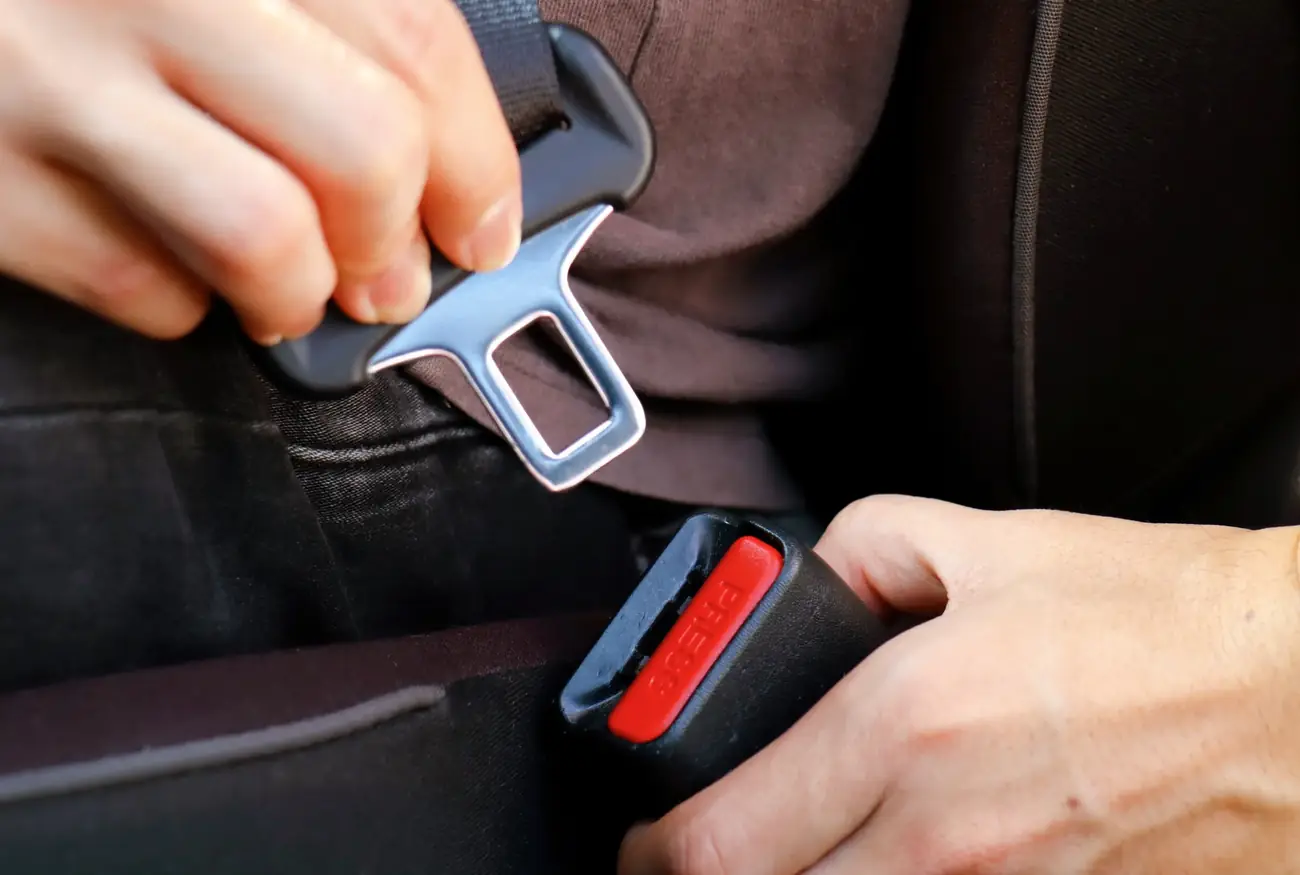
Hands bringing a seat belt tongue plate towards the buckle housing inside a vehicle

Most seat belt enquiries can be answered properly in one exchange. Most are not, because the information needed to answer them was not in the first message. The difference is usually five lines of text.

The five that matter most

  • The vehicle — make, model and variant. The single most useful detail in any seat belt enquiry.
  • The seating position — front, rear, outboard or centre, and whether more than one is involved.
  • The component or function — either the part you need, or a description of what it does if you are unsure.
  • The mounting arrangement — how it attaches, and what is already in place around it.
  • The quantity and pattern — approximate is fine; a batch and a schedule are different conversations.

Why a price without these is not useful

A figure quoted against a product name alone assumes a specification that may not match your vehicle. It looks like progress and frequently is not. A price that follows a confirmed application relates to something real, and can be planned around.

What helps beyond the basics

Photographs of the existing arrangement in the vehicle, taken from more than one angle. A sample of the part being replaced. A dimensioned sketch of the space available, where a new arrangement is being developed. Any of these resolves in seconds what could otherwise take several rounds of messages.

If you do not have everything

Send what you have. Gaps get identified and asked about rather than filled in by assumption — which is the outcome you want, even though it takes one extra message.

The full sequence is set out in OEM seat belt solutions.

Discuss a requirement

Application · 04

Why vehicle application details matter

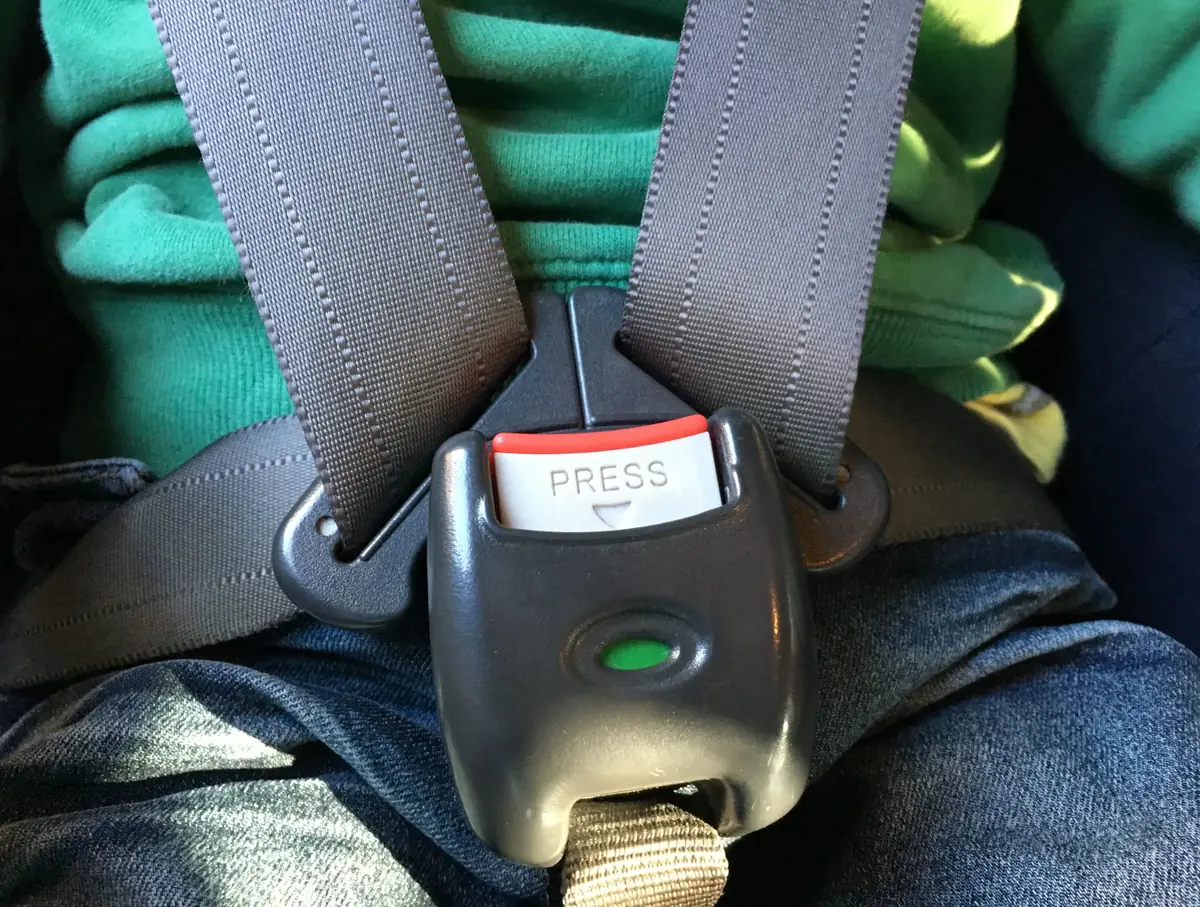
Harness buckle fastened across an occupant in a rear vehicle seat

A component description tells you what something does. It does not tell you whether it will fit. The gap between those two is where most sourcing cycles are lost.

Four sources of variation

Interface geometry. Slot shapes, plate profiles, stalk lengths and mounting hole patterns differ between vehicles even where the component performs an identical function. Geometry decides compatibility; description does not.

Seating position. Front and rear positions in the same vehicle frequently take different assemblies, and outboard and centre positions differ again. A requirement covering three positions is really three requirements.

Routing and clearance. Where the belt runs and how much space surrounds it determines what will physically fit. Clearance problems typically appear at installation, long after the specification was agreed.

Variant and model year. The same model can carry different arrangements across variants, model years or markets. Naming the variant rather than only the model removes a whole category of ambiguity at no cost.

The cost of getting it wrong

A mismatched component is rarely just a return. It is a delayed build, a line held up, or a fleet vehicle out of service while the right part is found. The time spent confirming an application in advance is small against any of those.

How to describe an application well

  • Name the vehicle to variant level where you can
  • List positions and quantities separately rather than as one total
  • Say which existing components the new item has to work with
  • Flag anything non-standard about the vehicle or its interior
  • Send photographs of the current arrangement in place

Category-by-category detail is set out under automotive applications.

Discuss a requirement

Awareness · 05

Seat belt inspection and maintenance awareness

Metal seat belt latch plate held beside its buckle housing for inspection

This section is general awareness information only. It is not an inspection procedure, a maintenance schedule or a safety instruction. Always follow the vehicle manufacturer’s documentation and the requirements applying in your jurisdiction, and refer anything of concern to a qualified person.

Why belts get overlooked

Seat belts are used constantly and inspected rarely. They sit in plain sight, work silently, and give little indication of wear until something is obviously wrong. In fleet settings, where vehicles are shared and usage is heavy, that combination is worth being conscious of.

What teams commonly observe

  • Whether the webbing runs freely through its guides without catching or twisting
  • Whether engagement and release feel consistent across the vehicle’s positions
  • Visible condition of the webbing along its length, including areas normally retracted
  • Condition and security of guides, loops and visible mounting hardware
  • Any change in behaviour reported by regular users of the vehicle

The reporting habit

In shared vehicles, the person best placed to notice a change is the daily user, and the most useful thing an operator can do is make reporting it straightforward. A belt that “feels different” is worth someone looking at, even when nothing is visibly wrong.

Where sourcing comes in

Where a component does need replacing, the same application questions apply as for any other requirement — vehicle, position, component, mounting arrangement. Fleets that keep a record of what was fitted where find replacement considerably faster the second time.

Discuss a requirement

Supply · 06

Understanding bulk and recurring automotive supply requirements

Occupant fastening a seat belt at the start of a journey in a vehicle

A single order has to be right once. A recurring requirement has to be right repeatedly, and identical each time. That difference changes what needs agreeing, and when.

Consistency becomes part of the specification

On a schedule, the real requirement is that the tenth delivery matches the first. What must stay identical — and what is permitted to vary — is worth stating explicitly at the outset, because it is very difficult to reconstruct after a discrepancy appears.

The pattern matters as much as the total

Whether a quantity arrives at once, in planned instalments, or against call-offs changes how the requirement is coordinated. An approximate pattern is enough to plan around; it does not have to be final, and it can be revised.

Mixed requirements need splitting

One vehicle programme often needs several different assemblies across its seating positions. Presenting the requirement as a single total obscures that. Splitting it by position early keeps quantities clean and prevents the wrong variant filling the wrong line.

Change is normal

Quantities move, positions get added, mounting arrangements get revised part-way through a programme. Handled as documented revisions to an existing description, these are routine. Handled as fresh enquiries, they lose the history that made the arrangement work.

Worth agreeing before the first batch

  • What the recorded description of each item is, and against which position
  • Which characteristics must remain identical across deliveries
  • The expected schedule or call-off pattern, even approximately
  • How a mid-programme change will be raised and confirmed
  • What reference a future repeat order should quote

How this is handled in practice is set out under quality and supply approach.

Discuss a requirement

Put it to use

Now describe your requirement in those terms.

Vehicle, seating position, component or function, mounting arrangement, approximate quantity. Five lines is usually enough for a considered first reply.