Seat Belt OEM Supplier Automotive Safety Components
  1. Home
  2. Quality & Supply Approach
Quality & Supply

A responsible approach, stated in full

How a requirement is reviewed, recorded and coordinated — and, just as importantly, what is deliberately not claimed anywhere on this website.

01Scope of Claims

Two lists, side by side

Most disappointment in component sourcing comes from an assumption that was never actually stated. So both sides of the line are written down here.

What this website represents
  • A focused sourcing channel for automotive seat belt systems and components
  • Requirement-led evaluation before anything is proposed or priced
  • Component descriptions written in terms of function and interface
  • Handling of OEM, bulk and recurring supply discussions
  • Written records of what was described, offered and agreed
  • Clear identification of anything that still needs confirming
  • Continued communication after despatch, including on repeat orders
What is not claimed anywhere here
  • No certification, standard or accreditation of any kind
  • No crash-test rating, load figure or performance data
  • No manufacturing facility, production capacity or tooling
  • No OEM approval, homologation or regulatory compliance status
  • No client names, project references or testimonials
  • No export markets, turnover figures or company history
  • No statement that any component suits any particular vehicle

Where documentation is required for a specific requirement, what can and cannot be provided is confirmed during the enquiry — before anything is committed, not after.

02Supply Approach

Six stages, applied consistently

The same sequence runs whether the requirement is one assembly for a prototype or a rolling schedule for a fleet.

Understanding the Requirement

The enquiry is read against the vehicle and application described. What is known, what is assumed and what is missing are separated before anything else is considered.

Output — a clear picture of the requirement, gaps included

Reviewing Product Needs

The functional need is translated into component terms — whether this is a complete assembly, an engagement pair, or a single element within an arrangement already in place.

Output — the component types actually in scope

Clarifying Application Details

Specific questions are asked about position, mounting, routing and mating parts. Photographs, drawings or samples are requested where they would settle a point faster than description.

Output — interface detail confirmed, not inferred

Product & Component Discussion

Options are set out with the reasoning attached: what has been assumed, what has been confirmed, and what remains dependent on information not yet available.

Output — a proposal you can interrogate

Supply Coordination

Quantity, timing, batching and any repeat pattern are planned once the component question is settled, so commercial detail attaches to something definite.

Output — an arrangement, not just a price

Ongoing Communication

The agreed description is retained so later batches can reference it directly. Changes mid-schedule are handled as documented revisions rather than fresh enquiries.

Output — continuity across orders
03Consistency

Getting it right twice is harder than getting it right once

On a single order, correctness is the whole problem. On a schedule, repeatability is.

That is why the description agreed at the start is treated as a working document rather than a formality. It records what was supplied, against which application, for which seating position — the reference a second batch is measured against.

It also makes change manageable. When a quantity moves, a position is added or a mounting arrangement is revised part-way through a programme, it is handled as an amendment to something specific rather than as a new conversation started from memory.

None of this is unusual. It is simply what makes the difference between a supplier you can plan around and one you have to re-explain your requirement to every time.

How recurring requirements are planned
Seat belt assembly fastened across a light-coloured vehicle seat, viewed from above

Review detail

Hands guiding a seat belt tongue plate into the buckle housing to check engagement
Engagement is the first question Whether a tongue plate and buckle belong together is settled before anything else in the assembly is discussed.
Occupant drawing a seat belt down towards the buckle in a vehicle
Routing is the second How the webbing travels and what it passes through determines whether a component that fits on paper will fit in the vehicle.
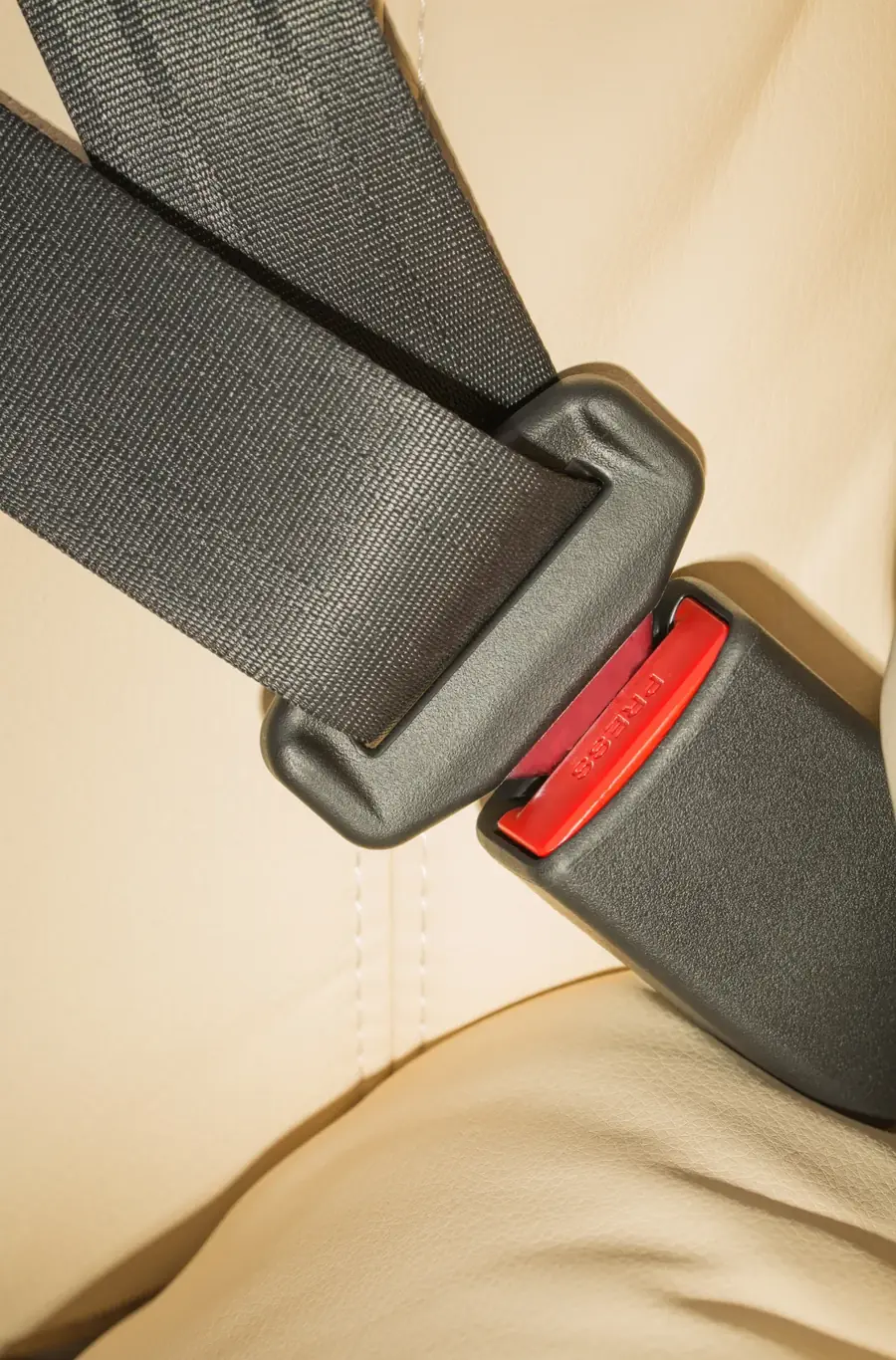
Seat belt tongue plate seated inside its buckle housing with the release button visible
Consistency is the third Once an arrangement is agreed, the useful question becomes whether the next batch will match it — which is a record-keeping problem, not a product one.
04Documentation
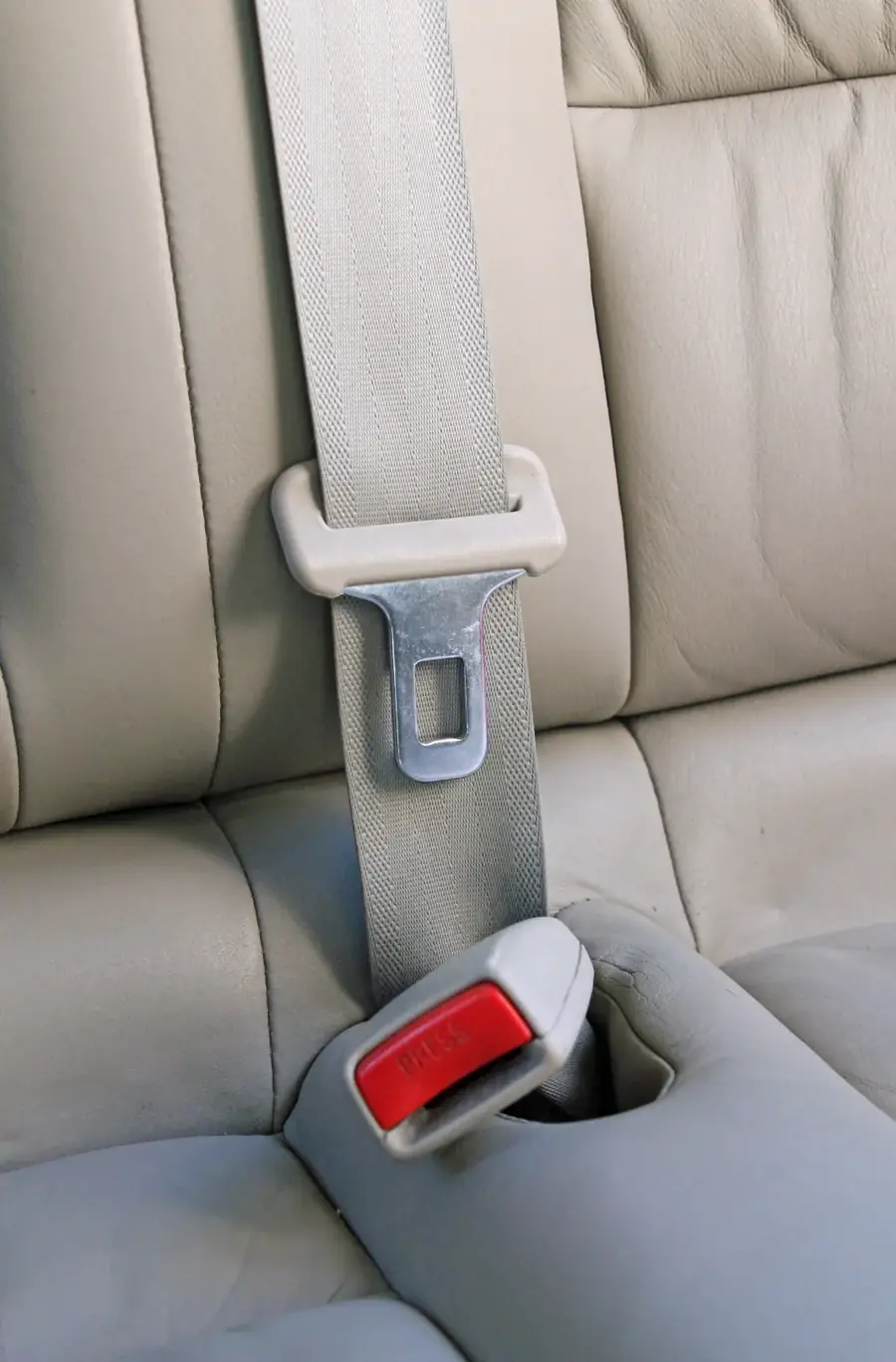
Seat belt webbing running through an upper adjuster loop with the latch plate below

What gets written down

Not paperwork for its own sake — a shared record that both sides can return to when something needs checking months later.

The vehicle, seating position, component type and quantity exactly as you stated them — so if a misunderstanding exists, it is visible early rather than after despatch.

Anything taken as read in order to move forward is stated as an assumption rather than presented as a fact. You can then confirm or correct it directly.

Questions that could not be closed from the information available stay listed as open, with what would be needed to close them. Nothing is quietly resolved by assumption.

The description under which each item was supplied, and against which position. This is the reference a repeat order is matched to.

Revisions to quantity, position or arrangement are recorded against the original description so the history stays traceable rather than scattered across messages.

Document types available for any particular requirement are confirmed during the enquiry. Nothing on this page implies that certification, test reports or approval documentation can be provided.

Ask directly

If you need something documented, ask before you order.

Tell us what your process requires and you will get a straight answer about what can be provided — including where the answer is no.