Reference
Products
The component areas covered, each described by function and by what has to be confirmed before it can be matched.
OpenFrom the first description of a vehicle through to an agreed, documented supply arrangement — what happens at each stage, what is asked for, and what is confirmed before anything is committed.
Retail buying starts with a product. OEM buying starts with a constraint — a vehicle, a programme, a schedule or a specification that already exists. The component has to arrive into that, not the other way round.
Send your requirement Fixed First
The vehicle, the seat and the mounting points usually exist before the enquiry does
Fixed First
The vehicle, the seat and the mounting points usually exist before the enquiry does
By the time a seat belt enquiry is raised, the vehicle, the seat and the mounting points usually already exist. The component has to suit them. That inverts the normal order — the question is not what is available, but what will fit what is already there.
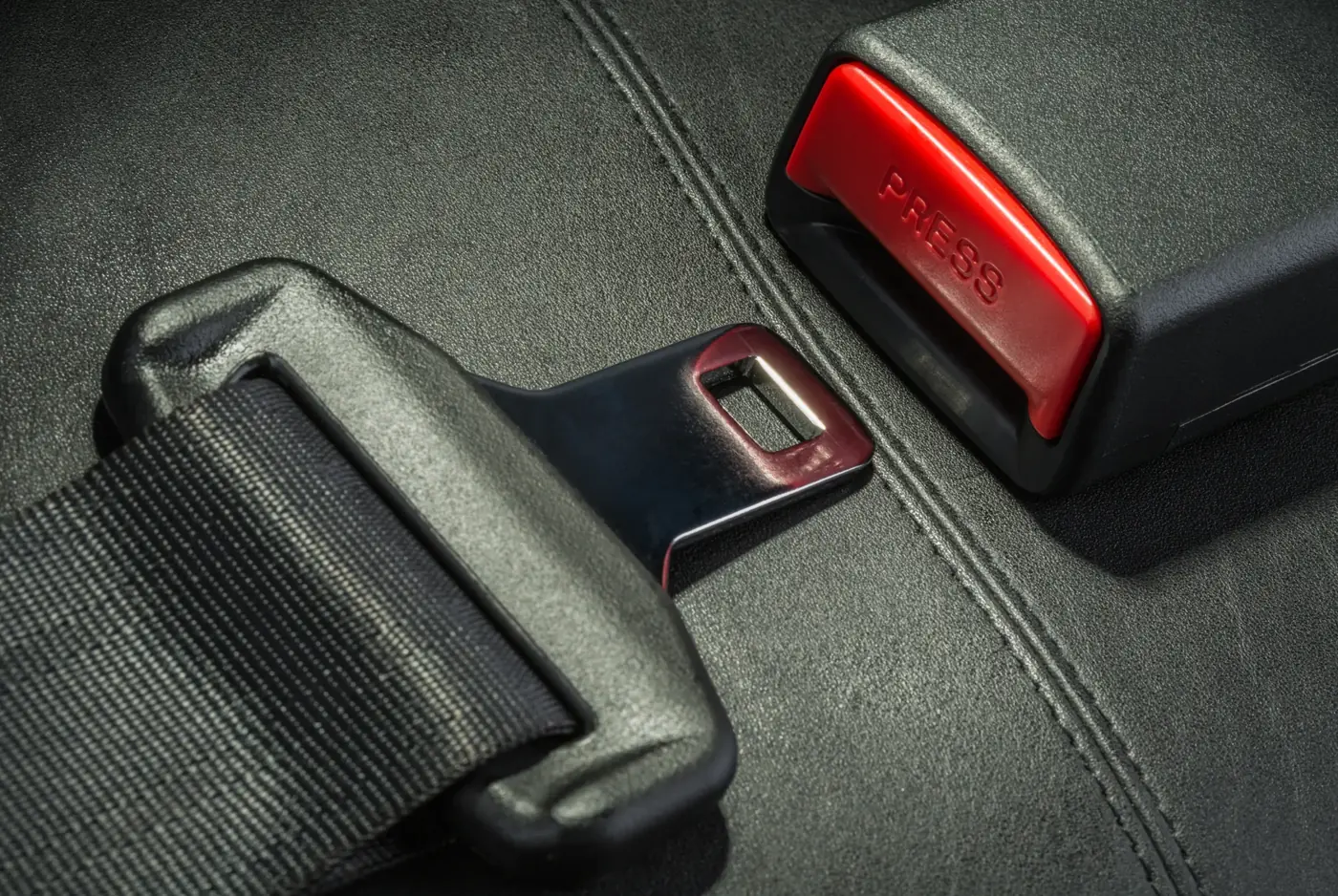
Two components described identically can be incompatible in practice because the tongue profile, slot geometry, stalk length or mounting orientation differs. OEM discussions therefore run on interfaces: what has to mate with what.
A one-off order only has to be right once. A recurring requirement has to be right repeatedly, and identical to what came before. That is a supply question as much as a product question, and it belongs in the first conversation.
Descriptions, agreed quantities and confirmed points need to be recorded in a form both sides can return to. On a repeat schedule, that record is what makes the second batch match the first.
Where suitability cannot be confirmed from the information available, that is said clearly. A buyer can plan around a known gap; they cannot plan around an assumption that turns out to be wrong.
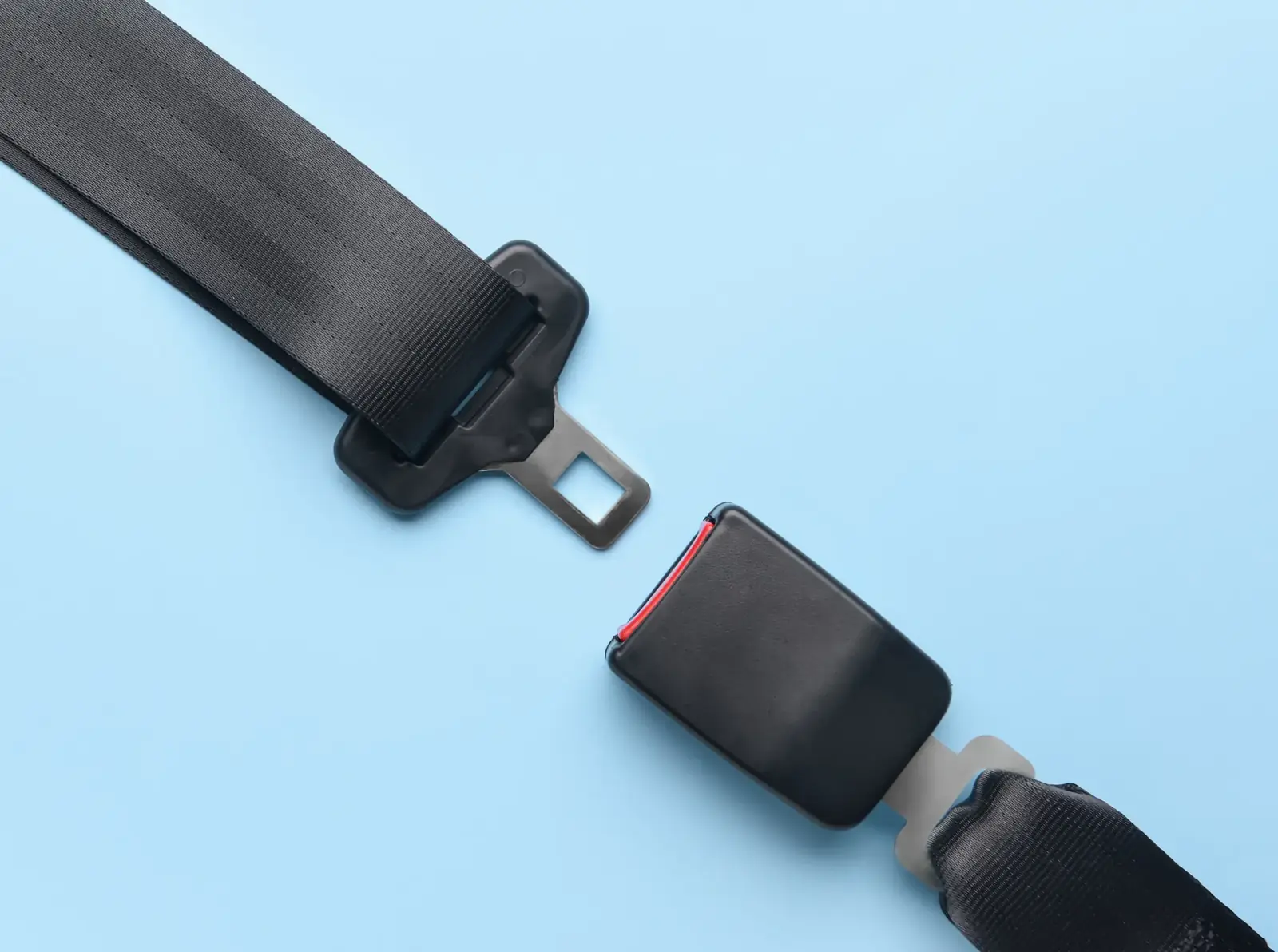 Selection View
Assembly separated into its engagement pair — the two halves that must be specified together
Selection View
Assembly separated into its engagement pair — the two halves that must be specified together
Before a component can be proposed against a requirement, a handful of things have to be settled. None of them are difficult — they are simply easy to skip.
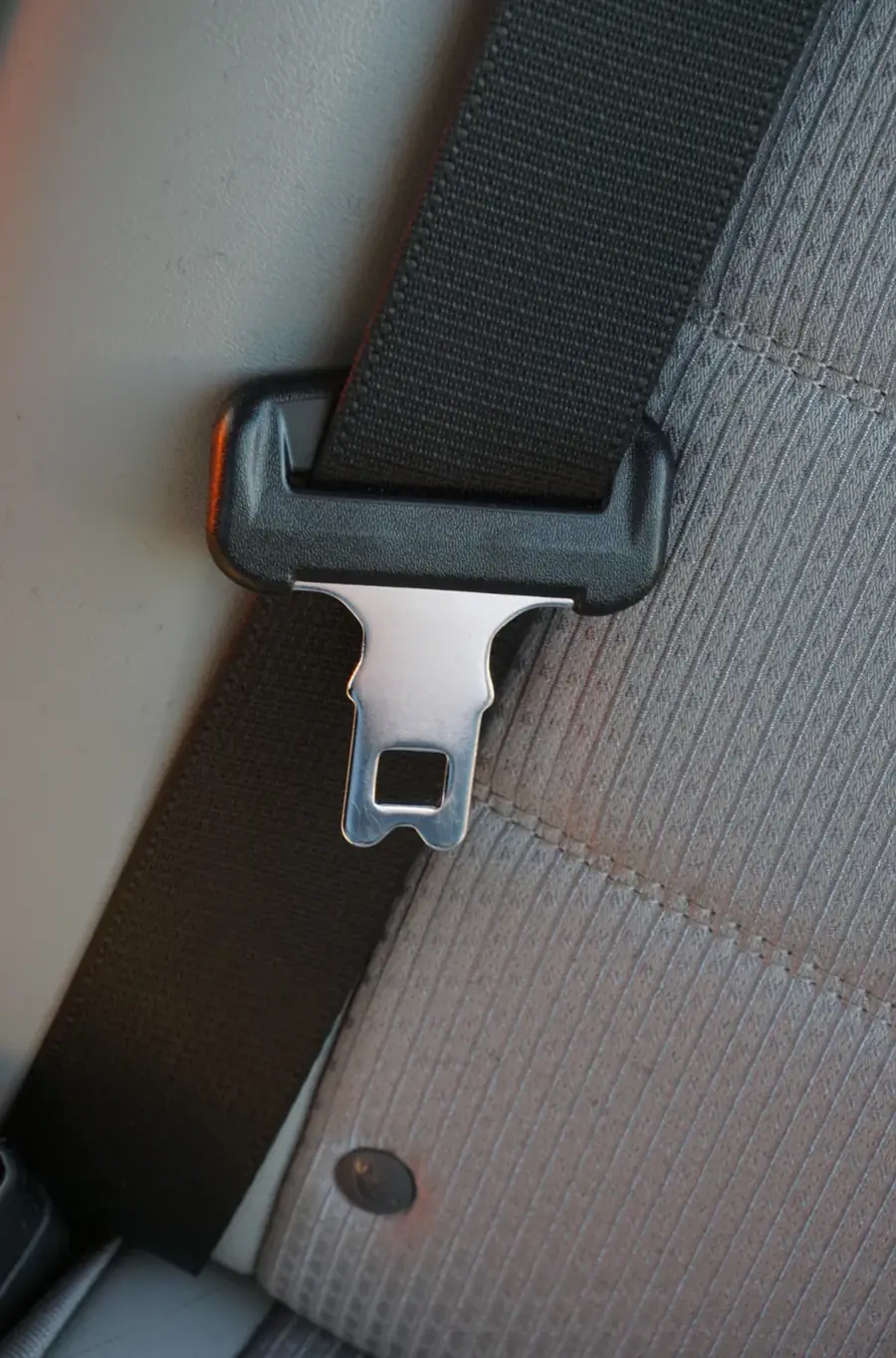
Most seat belt enquiries arrive without a reference number, and that is entirely workable. Describing what the part does and what it connects to is enough to get started.
A useful description names the element, says where it sits in the assembly, and identifies what it has to mate with. “The moulded loop the belt passes through on the pillar, above the seat” is a better opening than a guessed catalogue code.
Photographs help more than anything else. A picture of the existing arrangement in the vehicle answers questions about orientation, mounting and clearance that would otherwise take several messages to establish.
Where an existing part is being replaced or matched, a sample is definitive. Where a new arrangement is being developed, a drawing or dimensioned sketch of the available space serves the same purpose.
Component reference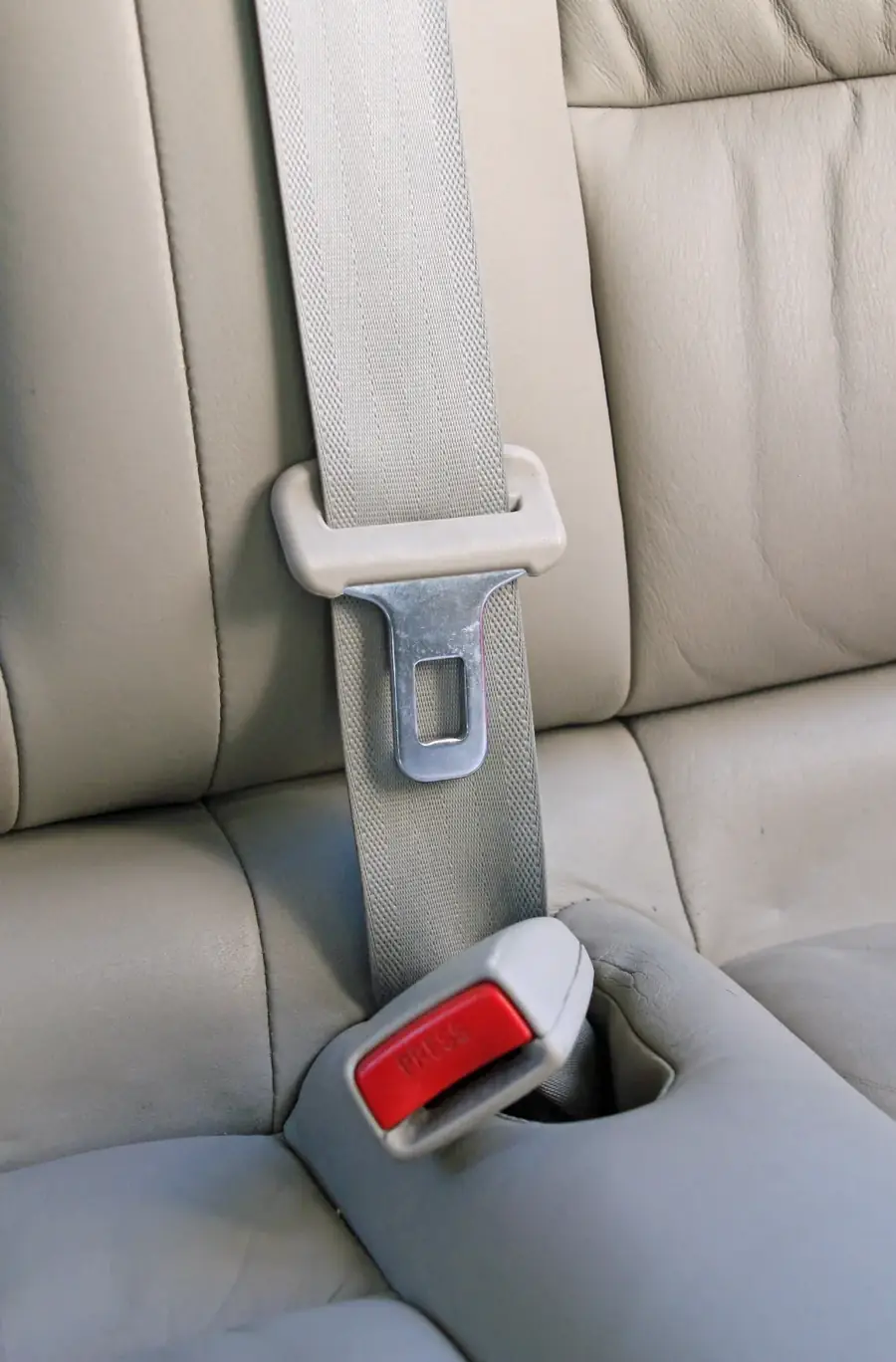
Bulk and recurring requirements introduce questions that a single purchase never raises. Settling them early is far cheaper than settling them at the second delivery.
A recurring requirement is really a requirement that the tenth delivery matches the first. What has to stay identical — and what is allowed to vary — is agreed and recorded at the outset rather than assumed.
Whether the quantity arrives at once, in planned instalments, or against call-offs changes how the requirement is coordinated. An approximate pattern is enough to plan around; it does not need to be final.
One vehicle programme often needs several different assemblies. Splitting the requirement by seating position early keeps quantities clean and prevents the wrong variant filling the wrong line.
Requirements move. A revised quantity, an added position or a modified mounting arrangement mid-schedule is normal, and is handled as a documented change rather than a fresh enquiry.
What was supplied, against which description and for which position, is kept in writing so a repeat order can reference it directly instead of being reconstructed from memory.
Quantities, timing and delivery arrangements are discussed against the actual requirement. Nothing on this page implies a minimum order, a stock position or a committed lead time.
Each stage produces something the next one needs. Nothing is skipped, and nothing is confirmed twice.
The requirement is read in full against the vehicle and application described. Anything missing is identified immediately rather than surfacing three messages later.
Specific questions are asked about position, mounting, mating parts and quantity. Photographs, drawings or samples are requested where they would settle a question faster than words.
Relevant component types are proposed with the reasoning stated — what has been assumed, what has been confirmed, and what still depends on information not yet available.
Fitment questions are closed out against the stated application. Where they cannot be closed from available information, the open point is named explicitly before anything proceeds.
Quantity, delivery pattern and terms are worked through once the component question is settled — in that order, so the figures relate to something definite.
Delivery is coordinated and the agreed description retained, so a later batch or a follow-on requirement can reference it rather than start again.
The component areas covered, each described by function and by what has to be confirmed before it can be matched.
OpenWhat webbing, buckles, tongue plates, retractor elements and mounting hardware each do within an assembly.
OpenHow requirements are reviewed, recorded and coordinated — and what is deliberately not claimed.
OpenSend the vehicle, the seating positions involved and an approximate quantity. If something is missing, the first reply will say exactly what it is.