Seat Belt OEM Supplier Automotive Safety Components
  1. Home
  2. Why Choose Us
Why Choose Us

No awards. No claims. A working method.

There are no certifications, client logos or production statistics on this page, because none have been supplied and none would be invented. What follows is a description of how enquiries are actually handled.

The proposition

Most sourcing friction is not commercial. It is descriptive.

A buyer knows what they need. A supplier has what they need. Between them sits a gap in language — a part called one thing here and another thing there, a requirement described by product where it should be described by application.

Closing that gap is most of the work, and it is the part this business is organised around. Every page on this site is written to give a buyer the vocabulary to describe their requirement precisely, so that the first exchange is useful rather than exploratory.

Occupant drawing a seat belt across the chest inside a vehicle before a journey
01The Difference

Six places a seat belt enquiry usually stalls

On the left, what buyers commonly run into. On the right, what is done instead.

Opening
Common experience

An enquiry gets a price back within the hour, based on a product name and nothing else.

How it works here

An enquiry gets questions back — vehicle, position, mounting, quantity — because a price without those is a guess dressed up as an answer.

Description
Common experience

Product pages list impressive-sounding specifications that may or may not relate to your vehicle.

How it works here

Product pages describe what a component does and what it has to mate with, and say plainly that specific detail is confirmed against your application.

Uncertainty
Common experience

Awkward questions are absorbed quietly and surface at installation.

How it works here

Anything that cannot be confirmed from the information available is named as an open point, with what would be needed to close it.

Volume
Common experience

A repeat order is treated as a new transaction and re-quoted from scratch.

How it works here

A repeat order references the recorded description of the previous one, so batch two is measured against batch one rather than reconstructed.

Change
Common experience

A revised quantity or an added position mid-programme means starting the conversation again.

How it works here

Changes are handled as documented revisions to an existing description, keeping the history traceable in one place.

After despatch
Common experience

Communication tails off once the invoice is settled.

How it works here

The agreed description is retained and the line stays open, because the follow-on requirement is usually the one that matters most.

In practice

Driver and passenger belted in a vehicle cabin during a working journey
Built for repeat requirements Fleet and programme buyers are planning, not shopping. Schedules and consistency are part of the first conversation, not an afterthought.
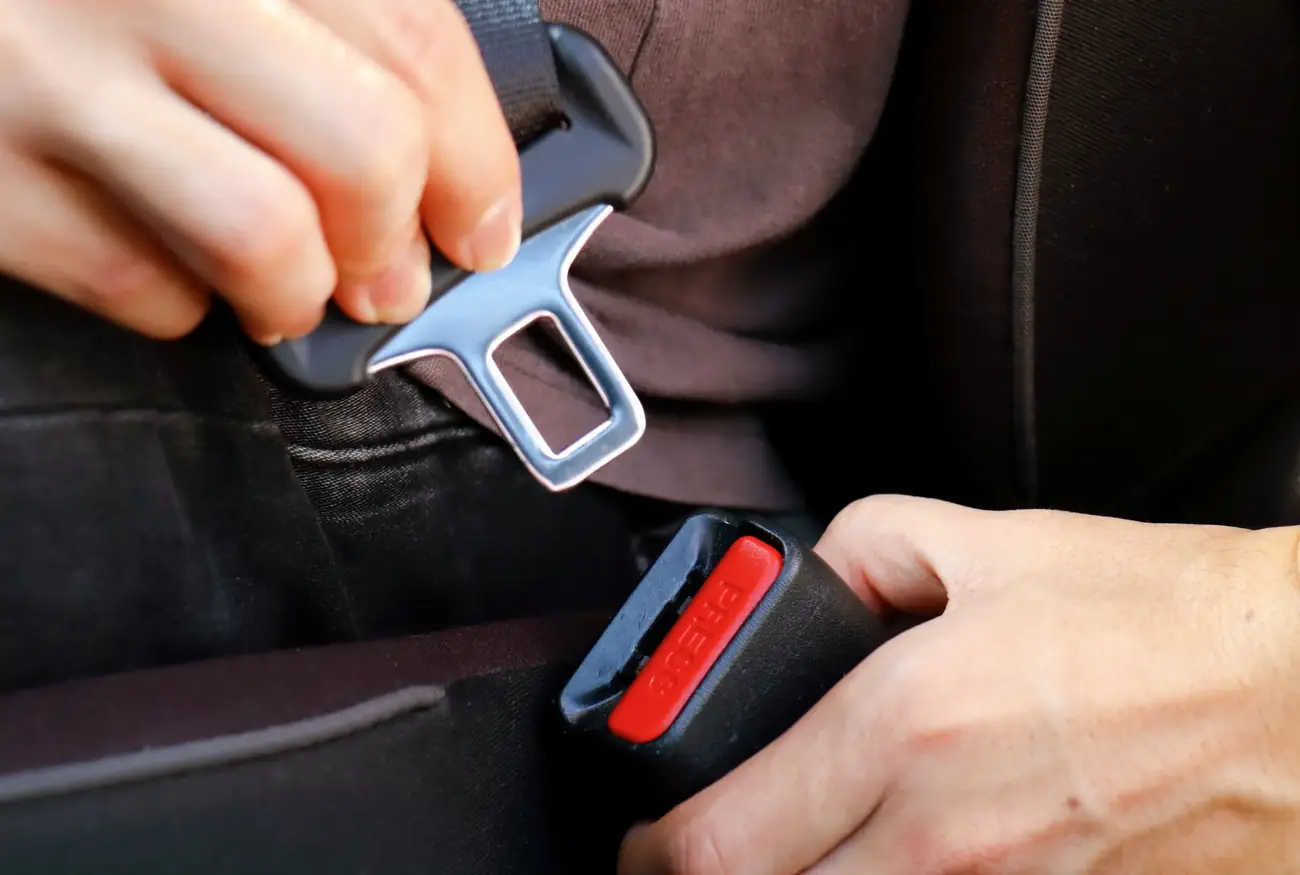
Hands aligning a seat belt tongue plate with its buckle housing
Components discussed as pairs Tongue plate and buckle, webbing and guide, retractor and routing — parts that constrain each other are specified together.
02What To Expect

From your side of the exchange

Concrete, checkable commitments about the process — not claims about the company.

  • A reply that engages with your specificsNot a generic catalogue response. If your enquiry names a vehicle and a position, the reply will too.
  • Questions rather than assumptionsWhere something is unclear, you will be asked. It is faster than correcting a wrong assumption two steps later.
  • Plain reasoningWhen a component is proposed, you will be told why — and what would change the recommendation.
  • Honest limitsWhere something cannot be confirmed, supplied or documented, you will be told that directly rather than left to infer it.
  • A written trailDescriptions, quantities and agreed points stay recorded, so nothing depends on either side’s memory.
  • ContinuityThe record persists, so a follow-on order references it instead of starting over.
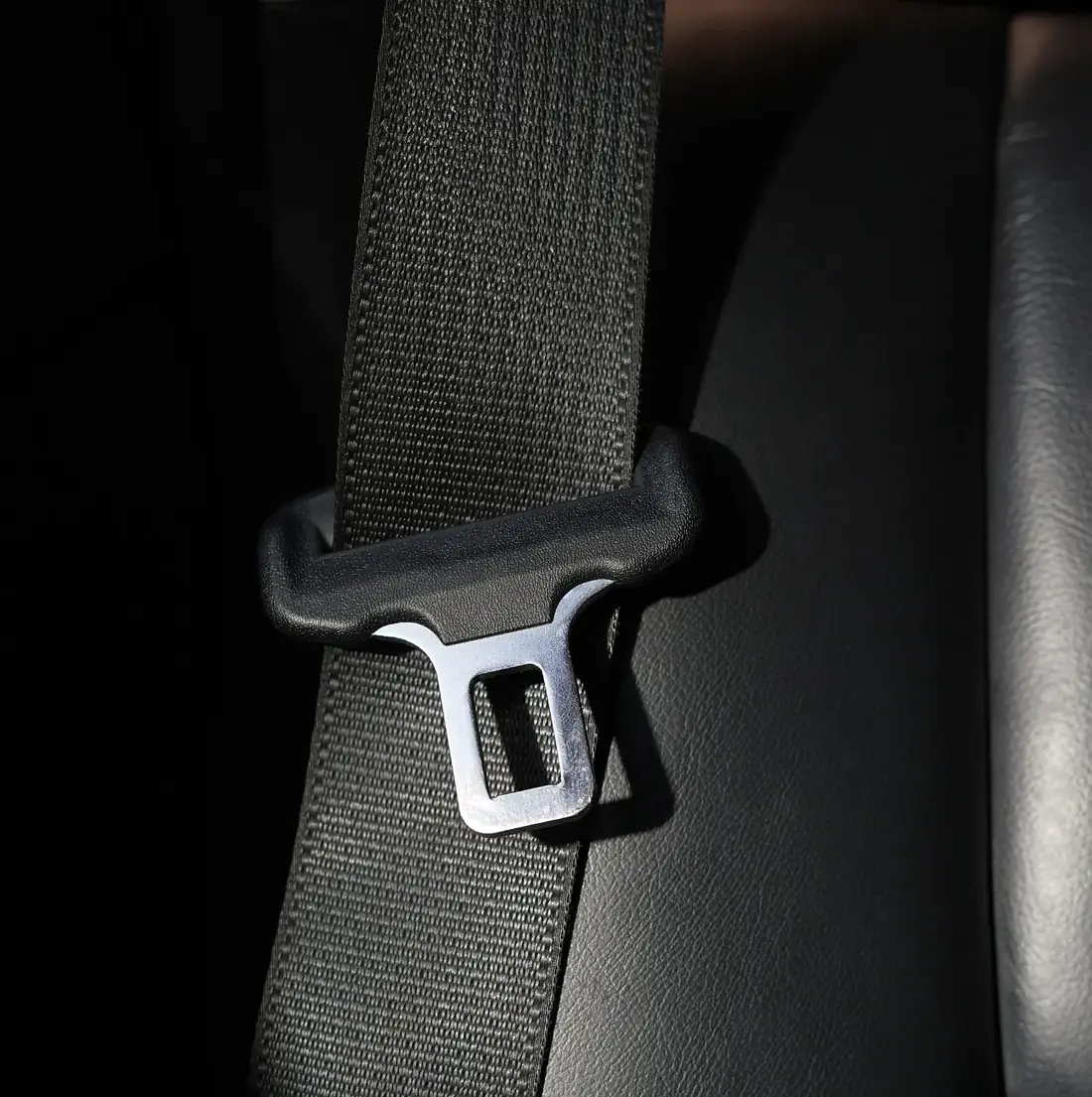
Seat belt webbing threaded through a moulded guide loop with the metal tongue plate alongside Interface Detail Where a component meets the vehicle is where most enquiries are actually decided
03Boundaries

And what will not happen

Just as useful to know in advance, and rarely written down anywhere.

01

No suitability claimed on trust

No component will be described as suitable for your vehicle on the basis of a general category. If it has not been confirmed against your stated application, it will be labelled as unconfirmed.

02

No invented documentation

Certifications, test results and approval statements are not produced to close a sale. If a required document cannot be provided, that will be said plainly and early.

03

No substitution without notice

A change to what was described is raised as a change and confirmed with you, not quietly absorbed into the order.

04

No pressure toward a decision

If the right answer is that your requirement needs more information, or belongs elsewhere entirely, that will be the answer given.

A note on this page

Pages like this usually carry statistics — years in business, units supplied, countries served, clients named. None appear here because none were available to verify, and inventing them would contradict everything else written on this site.

What is here instead is a description of method that you can test against your first enquiry. That is a fairer basis for choosing a supplier than a number nobody can check.

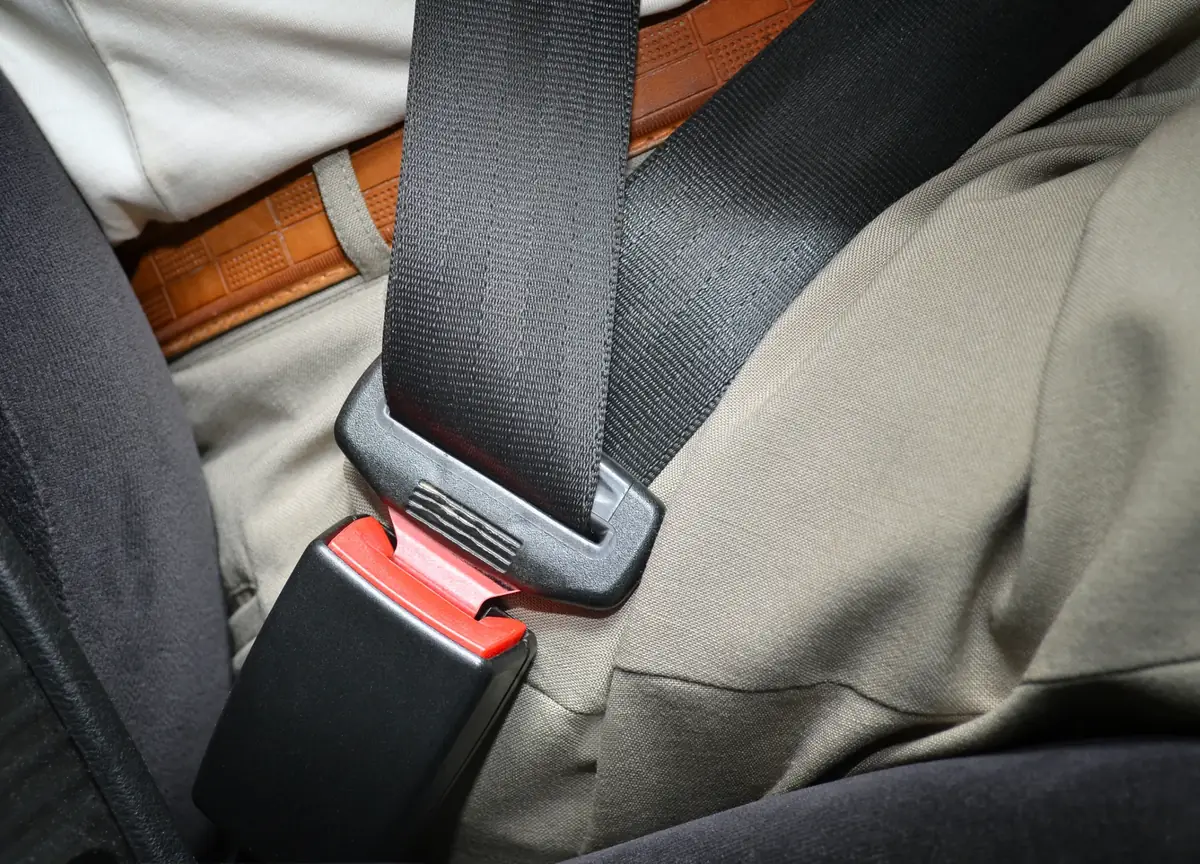
Seat belt fastened across an occupant seated inside a vehicle
Start here

One enquiry will tell you more than this page can.

Send a real requirement — a vehicle, a position, a component, a quantity — and judge the response on its own terms.